
Menopause doesn’t arrive with an instruction manual, does it? Oh, how much easier it would be if it did. It does, however, arrive with questions. Often at 3am.
Is this perimenopause? Why am I awake? Where did this belly come from? Why is my skin so itchy? And do I really want to pee that badly?
Here are answers to ten of the menopause questions you ask us a lot.
1. How do I know what stage of menopause I’m in?
Perimenopause is the transition leading up to menopause. Menopause is confirmed after 12 consecutive months without a period, and post-menopause begins from the last day of your last period, so you only know you’re there in hindsight.
During early perimenopause, your periods may still be reasonably regular. Changes in sleep, mood, temperature, digestion, weight or mental clarity often appear before obvious cycle disruption.
Later, periods tend to become more irregular, with longer gaps between them. They may be very heavy or super light – there’s no definite probability of how that will pan out for you.
And hormonal contraception, hysterectomy and some medical treatments can make the stage you’re at more difficult to identify from bleeding patterns alone. In those situations, talk with a menopause-informed health professional.
Something called the STRAW+10 framework remains the recognised system for describing reproductive ageing and menopause stages.
Not sure which menopause supplement is right for you? Take our short quiz here or shop by concern here.
Helpful next step: Read our Perimenopause Guide: Could This Be Perimenopause?
MenoMe® support:
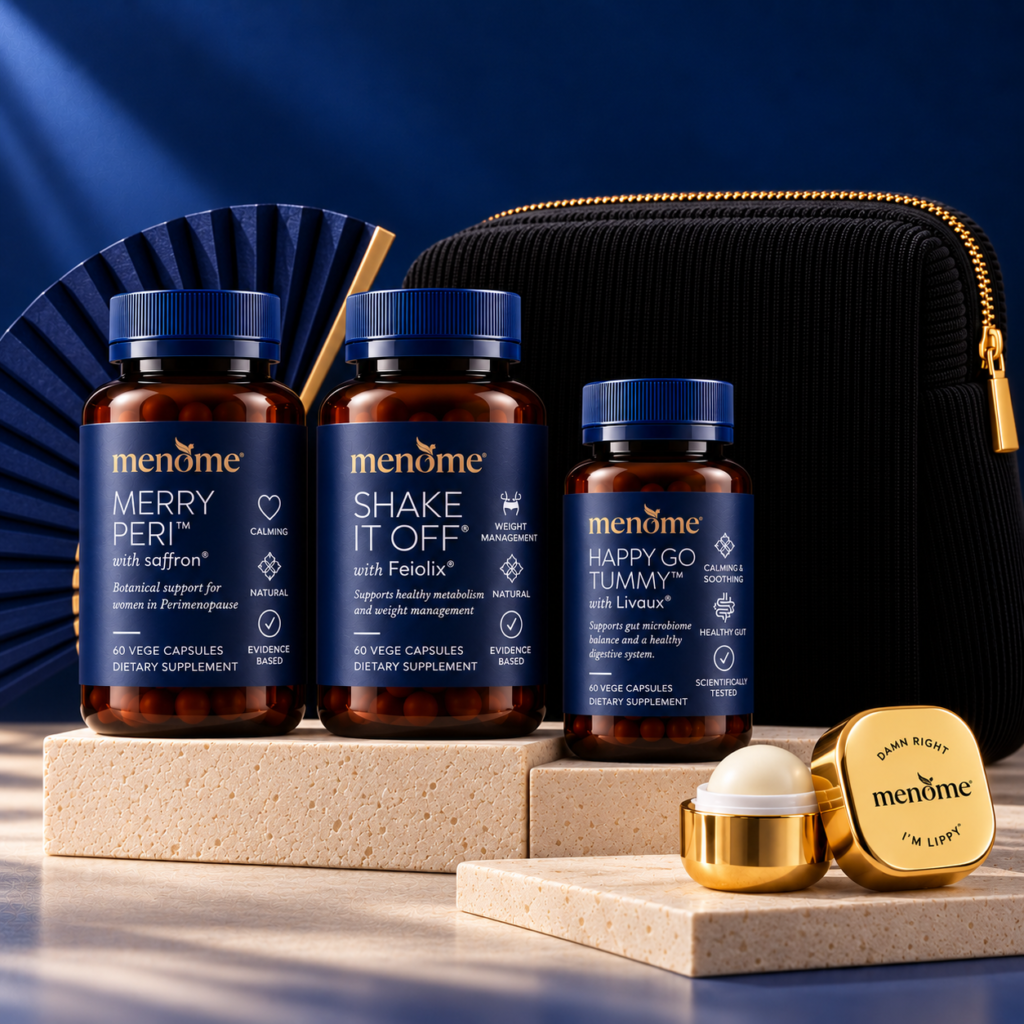
Our Peri Starter Kit brings together Merry Peri®, Happy Go Tummy® and Shake It Off® for women beginning to notice changes across mood, sleep, digestion and weight.
2. Can I take menopause supplements while using HRT?
Often, yes – but it depends on the supplement, your HRT or MHT prescription, other medicines and your individual health history.
MenoMe® supplements are estrogen-free. However, that doesn’t make every supplement automatically suitable for every woman or medication combination.
Bring a list of your supplements and medicines – or photographs of their labels – to your doctor or pharmacist. This is particularly important if you take prescription medicines, are preparing for surgery or have an existing health condition.
Menopausal hormone therapy can be highly effective for symptoms including hot flushes, night sweats and vaginal changes. Supplements should complement appropriate healthcare, not replace it as the name suggests.
3. Why am I suddenly having hot flushes and night sweats?
Changing estrogen levels affect the brain’s temperature-control centre, making your comfortable temperature range much narrower.
That means a slight change in room temperature, stress, alcohol or simply getting into bed can trigger a sudden wave of heat and sweating.
Hot flushes and night sweats are technically known as vasomotor symptoms. They often begin during perimenopause and can continue into post-menopause. Research suggests they commonly last several years rather than disappearing as soon as periods stop.
Keeping your bedroom cool, dressing in light layers and noting your personal triggers can help. If flushes are frequent, severe or disrupting sleep, talk with your menopause specialist.
MenoMe® support:
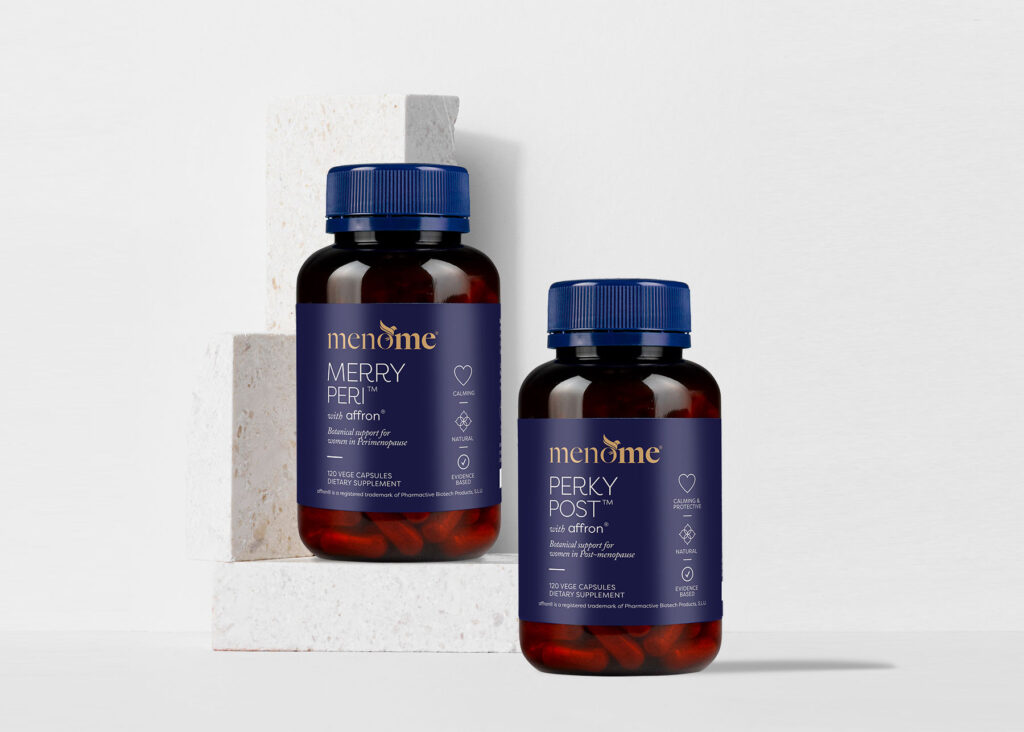
Merry Peri® is formulated for women in perimenopause and supports temperature regulation, sleep, mood and mental clarity. Perky Post® provides the same support with additional benefits for bone health and cognition in post-menopause.
4. Why has menopause ruined my sleep?
Hormone changes can affect sleep directly, while night sweats, stress, low mood and a more sensitive nervous system can make matters worse.
You may struggle to fall asleep, wake repeatedly or find yourself wide awake at an hour when humans typically sleep.
Menopause is not always the only culprit. Sleep apnoea becomes more common with age, and restless legs, thyroid changes, medication, alcohol and late caffeine can all disrupt sleep.
Start with consistent sleep and waking times, morning daylight, a cool bedroom and less alcohol close to bed. Seek medical advice if you snore heavily, wake gasping, experience persistent restless legs or regularly feel exhausted during the day.
MenoMe® support:
Merry Peri® supports sleep during perimenopause, while Perky Post® is designed for women in post-menopause.
SHOP MERRY PERI® AND PERKY POST®
Grab your free Sleep Hygiene Sheet here.
5. Why do I feel anxious, irritable or mentally foggy?
Those pesky fluctuating hormones can affect brain signalling, mood and cognition. And poor sleep, stress and the sheer life load can magnify the changes.
You may feel less emotionally strong, forget words that are sitting right there on the tip of your tongue or walk into a room with absolutely no idea why you’re there. It’s bewildering.
But the truth is, mood and cognitive changes are often reported before, during and after the menopause transition. Our old friend estrogen interacts with brain systems involved in mood, memory and attention, although the evidence around lasting cognitive change is more complex.
Staples such as protecting sleep, eating regularly, moving your body and reducing unnecessary overload can help. And persistent anxiety, depression, significant memory changes or anything affecting your ability to function deserves a chat with a professional.
MenoMe® support:
Merry Peri® supports mood and mental clarity in perimenopause. Perky Post® provides similar support for women in post-menopause.
SHOP MERRY PERI® AND PERKY POST®
6. Why does menopause weight gather around my middle?
Ah, that old chestnut, that’s the bane of many a woman. Ageing and menopause both influence body composition, but menopause particularly affects where fat is stored – shifting more of it towards the belly.
At the same time, muscle mass can decline, insulin sensitivity can change, and poor sleep can make appetite and weight management harder. True story.
This doesn’t mean weight gain is inevitable. But the strategies that worked in your thirties are likely not to be enough on their own.
Rather than simply eating less, prioritise sleep and stress management because without them it’s pretty difficult to shift the kgs. Also, focus on maintaining muscle, eating enough protein, increasing fibre, walking regularly and adding strength training.
Research shows that the menopause is associated with changes in fat distribution, lean mass and cardiometabolic health and it takes a multifactorial approach.
MenoMe® support:
Shake It Off® capsules support healthy weight management, blood sugar, metabolism and fullness. The Shake It Off® System adds a practical eating framework, metabolic education and ongoing support.

7. Why have my hunger and cravings changed?
Changes in sleep, stress, muscle mass, blood-sugar regulation and metabolic health can all affect appetite during menopause.
A poor night’s sleep can make stodgy, heavier food more appealing the following day. Losing muscle reduces one of the body’s main places for using glucose, while long gaps between meals can leave you ravenous later.
Start by adding protein, plants and fibre to each meal rather than trying to survive on increasingly smaller portions. Eating a balanced breakfast or lunch can also help prevent the late-afternoon pantry expedition.
Hydration, regular movement and a short walk after meals can support steadier blood sugar and appetite regulation.
MenoMe® support:
Shake It Off® with Feiolix® supports fullness, blood sugar, metabolism and healthy weight management.
8. Why am I more bloated or constipated in menopause?
Hormonal changes can influence gut movement, stress responses and the gut microbiome, but menopause is usually the only possible reason for digestive changes.
Less movement, low fibre intake, dehydration, medication and changes in eating habits can all contribute.
Research has found differences between premenopausal and post-menopausal gut microbiomes, although we are still learning exactly what those changes mean for individual women.
Increase fibre gradually, drink enough water and keep moving. Prunes, kiwifruit, legumes, vegetables, seeds and whole grains can all help support regularity.
See your doctor if bloating or constipation is persistent, painful or accompanied by bleeding, vomiting or unexplained weight loss.
MenoMe® support:
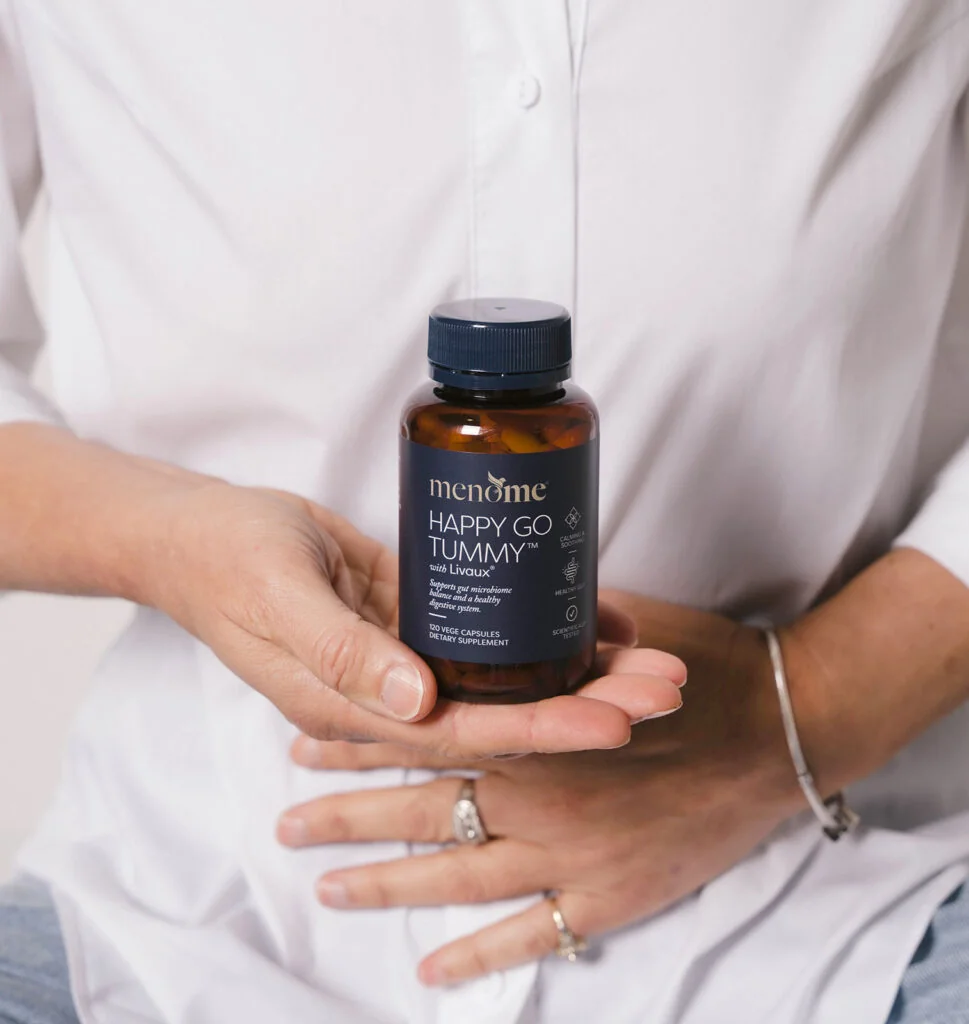
Happy Go Tummy® with Livaux® supports the gut microbiome, comfortable digestion and regularity.
9. Why is my hair thinning or shedding more?
Menopause can affect hair density, texture and growth, but hormonal change is only one possible cause of hair loss.
As estrogen declines, the hair-growth cycle and follicle environment can change. Some women notice a wider part, finer strands, a thinner ponytail or less overall volume.
Genetics, thyroid conditions, low iron, illness, rapid weight loss, stress and some medications can also contribute. Sudden hair loss, bald patches, scalp pain or scarring should be assessed by a trichologist or specialist.
A 2025 review found that menopause-related hormonal changes can affect hair density, strand diameter, texture and the hair cycle.
MenoMe® support:
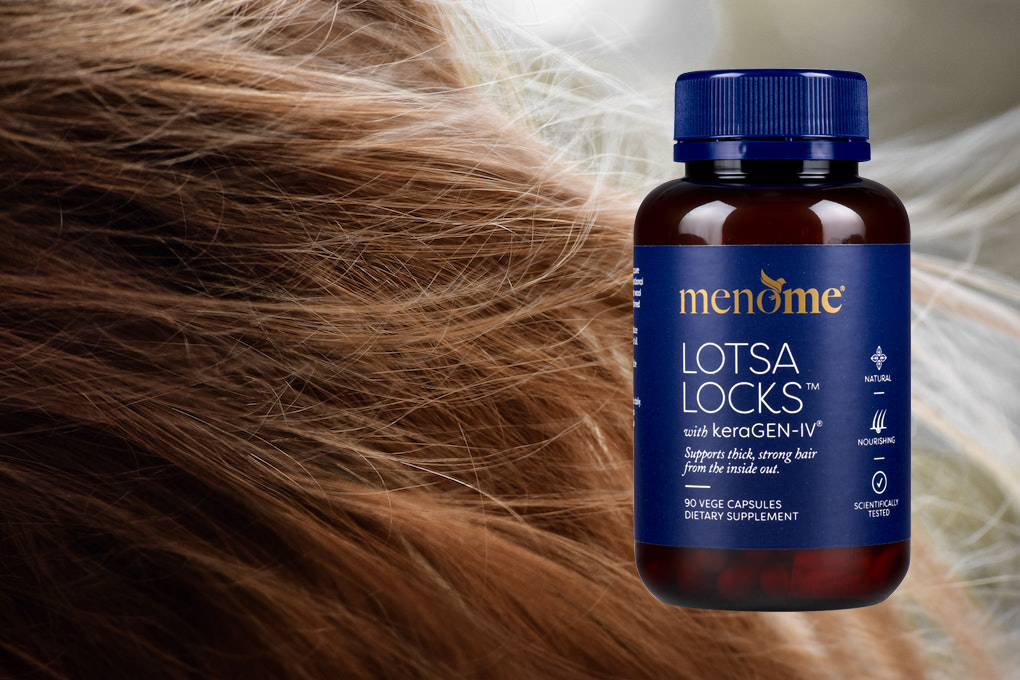
LotsaLocks® with KeraGEN-IV® and biotin supports healthy hair growth, strength and density.
10. Why do my joints and muscles ache more in menopause?
Muscle and joint pain become more common across the menopause transition, although falling estrogen is not the only possible cause.
Estrogen interacts with muscles, tendons, bones, cartilage and pain-processing pathways. Sleep disruption, reduced recovery, stress, muscle loss and existing injuries can add to the problem.
A 2026 systematic review involving more than 93,000 women found muscle or joint pain was reported by 57% of perimenopausal and 59% of post-menopausal women. The researchers also cautioned that the evidence was observational and the causes were often unclear.
Regular movement, progressive strength training, adequate protein, good sleep and a Mediterranean-style eating pattern can all support musculoskeletal health.
New or persistent pain – particularly with swelling, redness, weakness, fever or loss of function – should not automatically be blamed on menopause. Have it checked.
Related reading: How Extra Virgin Olive Oil Rx: Why EVOO Deserves a Place in Your Menopause Kitchen.
Which MenoMe® support might suit me?
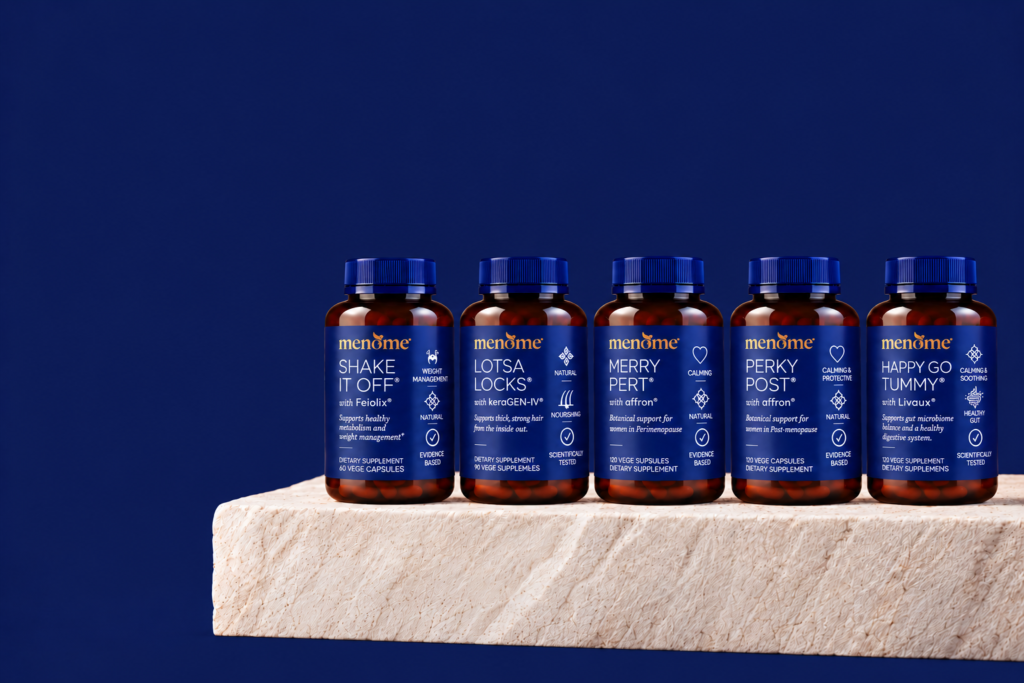
New to perimenopause: Start with the Perimenopause Guide or explore the Peri Starter Kit here.
Perimenopause support: Merry Peri® supports sleep, mood, temperature regulation and mental clarity. See it here.
Post-menopause support: Perky Post® supports sleep, mood, temperature regulation and mental clarity, with added vitamin D3, K2 and resveratrol. Explore it here.
Weight and appetite support: Shake It Off® supports healthy weight management, metabolism, blood sugar and fullness. Discover it here.
Gut support: Happy Go Tummy® supports the microbiome, comfortable digestion and regularity. Meet her here.
Hair support: LotsaLocks® supports healthy hair growth, strength and density here.
Not sure where to begin? Shop by concern here or get in touch with our friendly New Zealand team.
A final word
Menopause can affect almost every system in the body, which is why the changes can feel so disconnected.
They are also not always caused by menopause.
Keep a record of what’s changed, when it began and how it is affecting your life. It gives you something helpful to monitor and helps you make clearer decisions about the support you want.
Knowledge is power. Particularly when your hormones seem to be withholding the instruction manual. 🙂
This article is for education only and is not a substitute for individual medical advice, diagnosis or treatment.
Just so you know: this article is written by Jenna Moore, a real person who has studied menopause physiology and women’s healthy ageing. While I sometimes use AI as an assistant, it never does the research or gets the final word.
References
- Harlow SD, et al. Executive Summary of the Stages of Reproductive Aging Workshop +10: Addressing the Unfinished Agenda of Staging Reproductive Aging.
- Crandall CJ, et al. Management of Menopausal Symptoms: A Review. JAMA. 2023.
- The Menopause Society. 2022 Hormone Therapy Position Statement and professional resources.
- Healthify New Zealand. Menopausal Hormone Therapy.
- Weber MT, et al. Cognition and Mental Health in Menopause: A Review.
- Marlatt KL, et al. Body Composition and Cardiometabolic Health Across the Menopause Transition.
- Peters BA, et al. Menopause Is Associated With an Altered Gut Microbiome and Estrobolome.
- Menopause and Hair Loss in Women: Exploring the Hormonal Transition. 2025.
- Musculoskeletal Manifestations of Perimenopause: A Systematic Review and Meta-Analysis of 93,021 Women. 2026.