Free shipping on orders over $150

Jennifer Moore

Jennifer Moore is an accredited menopause and weight loss coach, health writer and menopause educator with a passion for helping women thrive through menopause and beyond.After a career in magazine publishing, including roles as a beauty and wellbeing editor, Jennifer now spends her days translating complex menopause and health information into practical advice that women can use.Through MenoMe®, Jennifer shares evidence-informed insights on menopause, nutrition, weight management and healthy ageing. She's also the host of the Women On Fire® podcast, where she talks openly about the realities, challenges and opportunities of midlife.When she's not writing or coaching, you'll usually find her researching the latest menopause science, creating content, or helping women realise that midlife can be one of the most powerful chapters of life.

Brain-changing-benefits-of-exercise

The Brain-Changing Benefits Of Exercise – And They’re Free!

Estimated reading time: 3 minutes The brain-changing benefits of exercise go far beyond keeping your body fit. Exercise can affect your mood, memory and brain health too – and Professor Wendy Suzuki explains why brilliantly in the video below. Neuroscientist Professor Wendy Suzuki notes that exercise has the ability to change the brains anatomy, physiology and function.

The Brain-Changing Benefits Of Exercise – And They’re Free! Read More »

16-reasons-shake it-off-might-be-right-for-You

16 Signs Shake It Off® Could Be Right For You

Heeeelllooo! 👋 Shake It Off® has evolved from the former 10-Day Reset into a comprehensive wellness system featuring Shake It Off® capsules alongside supporting lifestyle recommendations. You’re here, which means you’re ready to feel like you again – and we couldn’t be happier to offer support with our Shake It Off® capsules + System. So, let’s

16 Signs Shake It Off® Could Be Right For You Read More »

What’s Estrogen Dominance & 18 Reasons You Should Care

What’s Estrogen Dominance & 18 Reasons You Should Care

Estrogen dominance. Have you heard of it? If you answered yes, it’s not surprising because estrogen dominance (ED) is a bit of a buzzword. And while buzzwords become familiar the reality is that sometimes we don’t grasp what they actually mean. Nevertheless, estrogen dominance can be particularly common in perimenopause. Simply put… To clarify, estrogen

What’s Estrogen Dominance & 18 Reasons You Should Care Read More »

Weight-gain-loss-belly-fat

Why Am I Gaining Weight During Menopause? 10 Evidence-Based Reasons

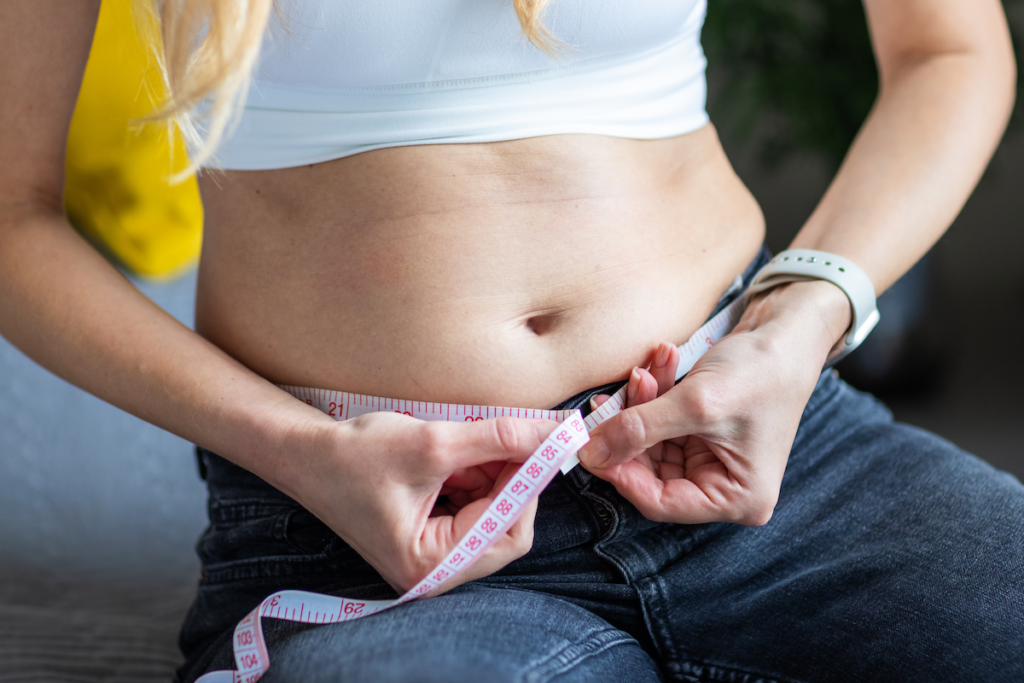
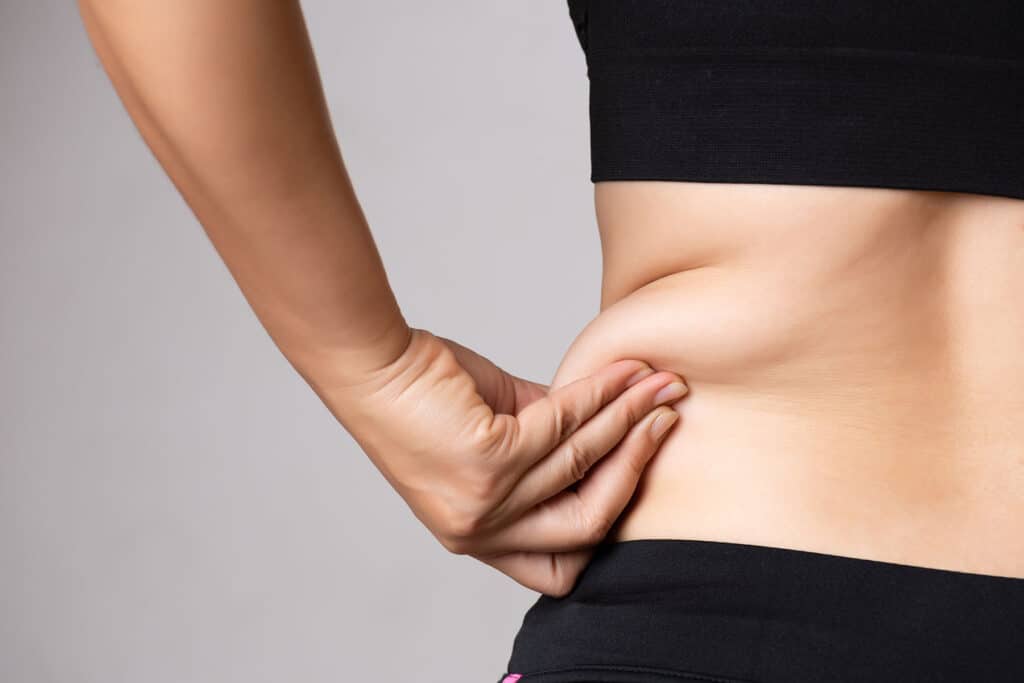
Do you ever wonder, “Why am I gaining weight during menopause?” It can feel like menopause weight gain happens no matter how much you exercise or how little you eat. We hear this from women all the time. You’re doing everything you’ve always done, yet the scales keep creeping up. So, you exercise harder, eat

Why Am I Gaining Weight During Menopause? 10 Evidence-Based Reasons Read More »

Woman-on-Toilet

Menopause Constipation: 6 Simple Ways to Improve Your Poop | MenoMe® 💩

Are you experiencing constipation or sluggish poop? Let’s talk about something most people avoid talking about: constipation. It’s common in midlife and menopause, but that doesn’t mean you have to put up with it. If you’re feeling bloated, uncomfortable, sluggish, or like your digestive system has hit the brakes, you’re certainly not alone. The good

Menopause Constipation: 6 Simple Ways to Improve Your Poop | MenoMe® 💩 Read More »

Vitamin D

What Is Vitamin D3? Why It’s Known as the Sunshine Vitamin

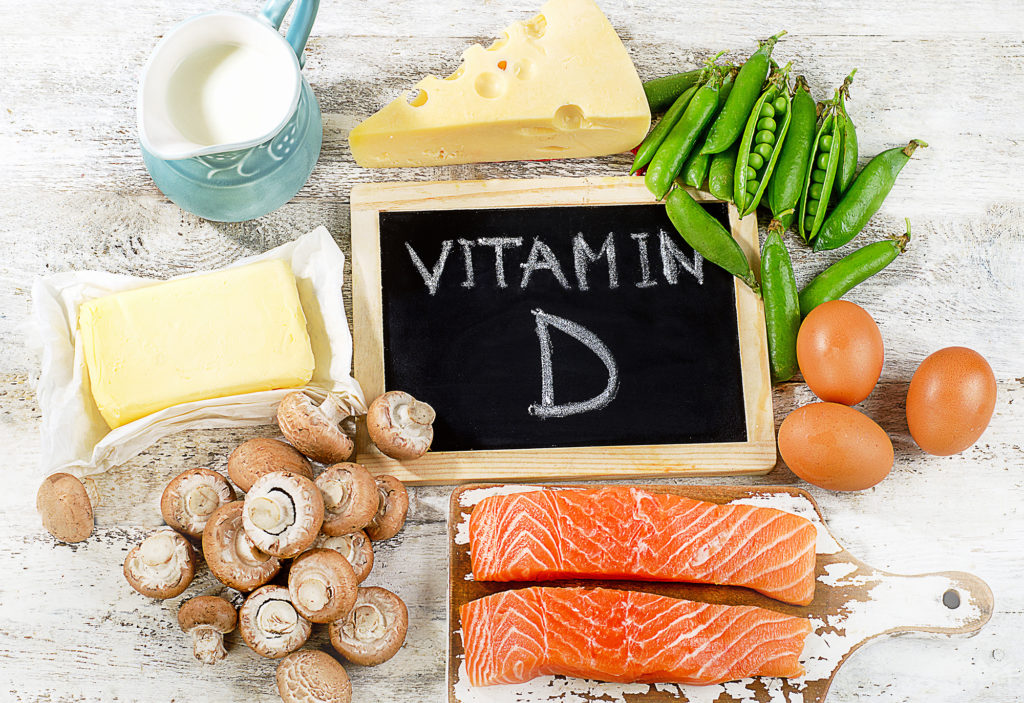
Published: September 2023 Last Updated: June 2026 What is vitamin D3? Say hello to the sunshine vitamin! Vitamin D3 is often called the sunshine vitamin, which feels good, doesn’t it? And that’s because our best source of D3 is via the sun. However, newsflash! It’s not always possible to receive the best levels in this

What Is Vitamin D3? Why It’s Known as the Sunshine Vitamin Read More »

how-food-can-help-you-have-your-best-menopause

The Menopause Diet: How Food Can Help You Have Your Best Menopause

What is the menopause diet? There’s no single menopause diet, but there are certain foods that can help support your body through hormonal change. A simple place to start is focusing on protein, healthy fats, fibre and phytoestrogen foods at most meals. You might hear us referring to PPFF, which stands for Phytoestrogens, Protein, (healthy) Fat

The Menopause Diet: How Food Can Help You Have Your Best Menopause Read More »

could-perimenopause-be-causing-your-dizziness?

Could Perimenopause Be Causing Your Dizziness?

Dizziness? Vertigo? Disequilibrium? Have you awarded them the banner of unwelcome visitors? We agree, you’re absolutely right! They’re definitely not fun experiences on this rollercoaster known as perimenopause / menopause. And if that last word – disequilibrium – sounds unfamiliar, you’re not alone. But if you try breaking it up so it becomes dis-equilibrium, we imagine equilibrium’s

Could Perimenopause Be Causing Your Dizziness? Read More »

signs-of-perimenopause

Could This Be Perimenopause? 3 Common Signs

Perimenopause. Also known as peri. The lead-up to menopause is a time of confusion for many women. Because we’re woefully uneducated about the third part of our reproductive process. I’m referring to: Puberty Fertility Menopause Most women aren’t even aware that menopause only occurs when one year has passed since our last period, and that

Could This Be Perimenopause? 3 Common Signs Read More »

post-menopause

Post-Menopause Changes: What’s Happening in Your Body?

There’s a moment many women expect after menopause – the whole thing wraps up, signs and symptoms disappear, and the body goes back to the way it was. Lovely idea. But not always how it goes. Once you’ve gone 12 months without a period, you’re in post-menopause. That part is simple enough. What’s less simple is

Post-Menopause Changes: What’s Happening in Your Body? Read More »

merry-peri-perky-post-for-menopause support

Menopause Support: How Merry Peri® and Perky Post® Help

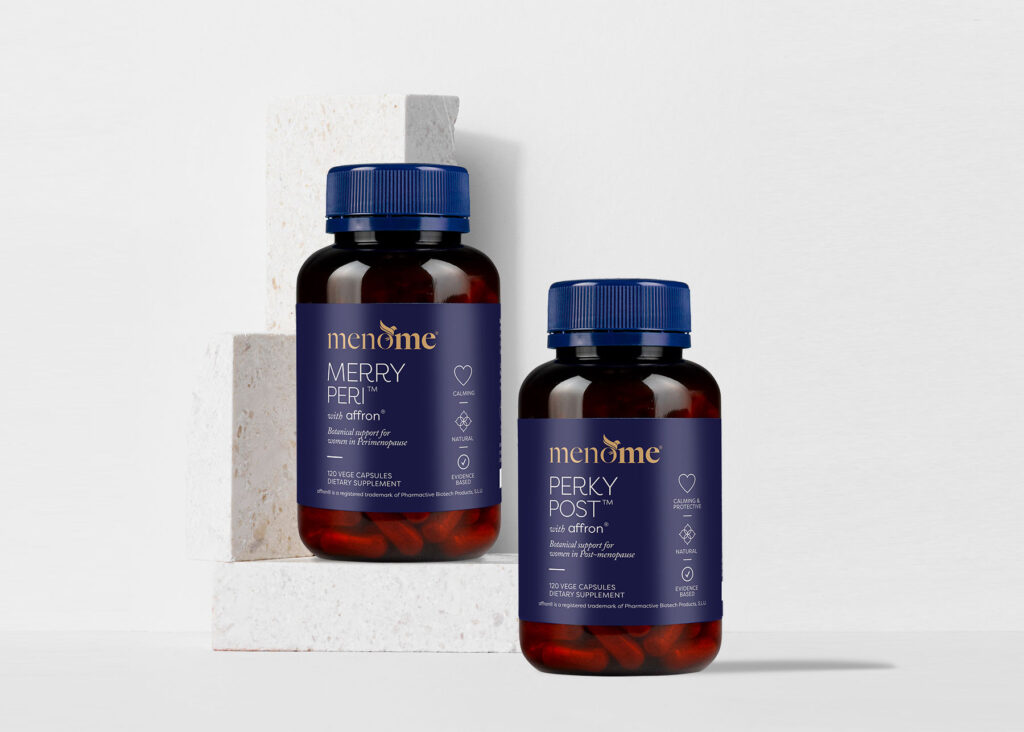
Drumroll, please…welcome Merry Peri® and Perky Post®.  We searched high and low for the best natural ingredients to support perimenopause and post-menopause, and that’s how these two beauties were born. Many of their ingredients are familiar botanicals, the kind you might find in your pantry. But don’t be fooled by their simplicity – they’re evidence-based, steeped

Menopause Support: How Merry Peri® and Perky Post® Help Read More »

Post-menopause

Post-Menopause: The Part Women Don’t Talk About Enough

Did you know that if you’ve reached post-menopause, you’ve cleared a significant marker? It’s truly a defining moment in your life. Technically, it begins once 12 months have passed without a period – the point at which you become menopause official. But here’s what often goes unsaid: post-menopause isn’t an ending. It’s a stage that

Post-Menopause: The Part Women Don’t Talk About Enough Read More »

real-menopause-stories-leigh

Real Menopause Stories: Leigh’s Honest Account

Looking for real menopause stories? Here’s Leigh’s
Originally published in 2018. Updated for clarity in 2026.

Leigh Kite is the MD (Managing Director) of Team MenoMe®

She reflects on her perimenopause journey in this personal account.

Now that I’m post-menopause, I look back at my younger self to try to remember what I was thinking about menopause some 20 years ago.

The answer is probably not much.

Nobody in my social circles, or indeed my family, talked about it, so it simply wasn’t on my radar.

Real Menopause Stories: Leigh’s Honest Account Read More »

Post Menopause Woman

How Will Post-Menopause Change Your Life?

How will post-menopause change your life? Post-menopause can change your life in a number of ways. Some are positive, while others are health considerations worth keeping on your radar. But first? The basics. What does post-menopause mean? Post-menopause is the stage of life that follows menopause. By this point, your ovaries have largely stopped releasing

How Will Post-Menopause Change Your Life? Read More »

8-most-asked-questions-about-menopause

Perimenopause vs Post-Menopause: 8 Common Questions

Perimenopause vs Post-Menopause. Let’s take a look at 8 common questions we’re asked. We get a lot of questions about perimenopause and post-menopause. Some whispered, some panicked, some sent at 2 am. So we’ve pulled together eight of the ones we’re asked most often, with clear, honest answers. 1. Perimenopause vs Post-Menopause: what’s the difference

Perimenopause vs Post-Menopause: 8 Common Questions Read More »

Scroll to Top

Finally, weight management support that gets menopause

Introducing

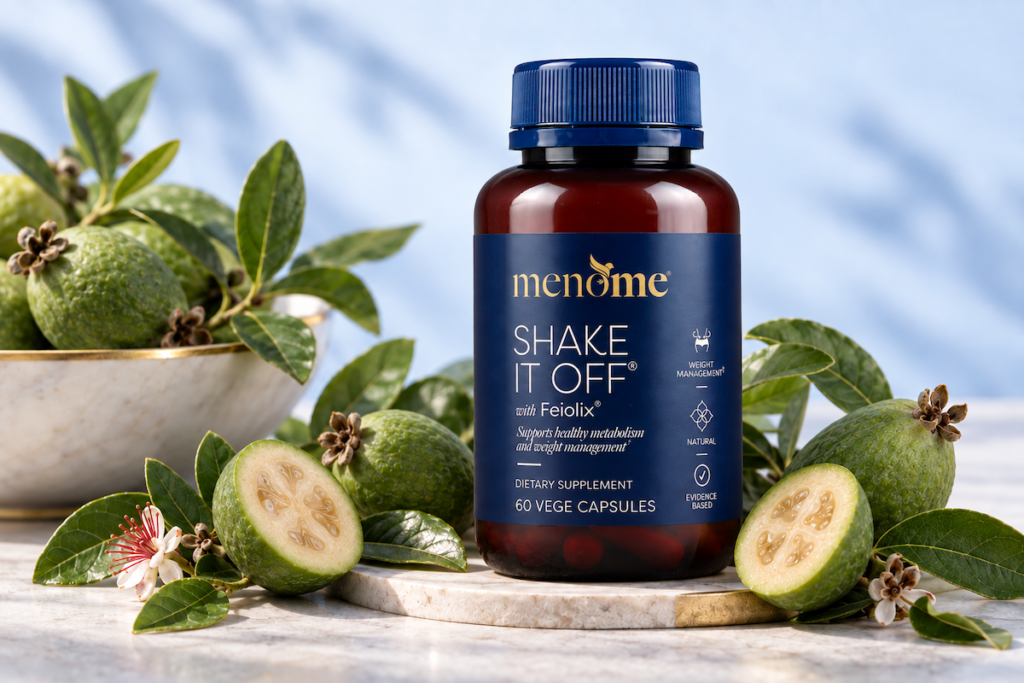
Shake It Off® capsules + the Shake It Off® System.

Special launch offer:

1-Month Bundle including: Shake It Off® + Happy Go Tummy® capsules & the Shake It Off® System.

Usually $169, now $126 (save $42)

Arriving August 1 

Post-menopause


This is the time when menstruation is well and truly over, the ovaries have stopped producing high levels of sex hormones and for many ladies, perimenopause symptoms subside.

Estrogen has protective qualities and the diminished levels mean organs such as your brain, heart and bones become more vulnerable. It’s also a key lubricant so your lips may become drier, your joints less supple and your vagina might be drier. In addition, your thyroid, digestion, insulin, cortisol and weight may alter.

At this juncture, a woman might experience an increase in the signs of reduced estrogen but she should have a decrease of perimenopause symptoms. That said, some women will experience symptoms like hot flushes for years or even the rest of their lives.

Perimenopause

Peri = ‘near’

Most females begin to experience the symptoms of perimenopause in their mid-forties. Your progesterone levels decline from your mid-30s but it’s generally from around 40 that the rest of your sex hormones begin to follow suit. 

Perimenopause is a different experience for every woman and some women may barely notice it. The first indicators are usually changes to the monthly cycle. This means that for some ladies, this can be accompanied by things like sore breasts, mood swings, weight gain around the belly, and fatigue as time goes on.

For those with symptoms it can be a challenging time physically, mentally and emotionally.

Importantly, perimenopause lasts – on average – four to 10 years. The transition is usually a gradual process and many women enter perimenopause without realising.