Say hi to '26 ends TONIGHT! 25% off with code BYE25

How Extra-Virgin Olive Oil Calms Menopause Inflammation

how-extra-virgin-olive-oil-calms-inflammation

Do you love extra-virgin olive oil, also known as EVOO?


Yes? Well, you’ve got excellent taste! Because EVOO is not only tasty, it’s also one of the most evidence-backed lifestyle tools for menopause wellness. In fact, it can help ease inflammation, heart disease risk, and metabolic health – not bad for something that lives in your kitchen.


Before we dive deeper, here’s the lowdown in a nutshell.

Extra-virgin olive oil is:

Naturally anti-inflammatory: because it’s rich in polyphenols and antioxidants like oleocanthal, EVOO helps dial down low-grade inflammation. And that’s something that tends to ramp up during menopause (if you haven’t noticed).
Eases everyday aches & joint pain: scientists have found the phenolic compound oleocanthal works via a similar pathway to ibuprofen. Therefore, it offers gentle, food-based relief for stiff joints and sore muscles.
Supports heart health: the polyphenols, fats and antioxidants in EVOO help improve cholesterol balance and protect arteries. That’s incredibly good news because our risk of heart disease rises post-menopause.
Improves gut health: it’s a bit science-y, but the hydroxytyrosol in EVOO helps support the gut microbiome. So, menopause signs and symptoms.
Boosts metabolic balance: a lot of people don’t realise EVOO supports insulin sensitivity and healthy blood sugar regulation. And that helps counter the metabolic slowdown many women experience.
Feeds your cells the good fats: because it’s packed with essential and beneficial fatty acids, EVOO nourishes cell membranes, supports hormone production. And also skin, brain and mood health.

So there’s a whole lot to love about EVOO!

Why extra-virgin olive oil (EVOO) is your BFF during peri and post-menopause

As we mentioned earlier menopause = low-grade systemic inflammation. That’s where those uncomfortable joint aches come in, as well as shifts in metabolism and heart-disease risk.

Yep – as you’ll know if you’re experiencing these, there are some big changes going on in your body. Huge.
how-extra-virgin-olive-oil-calms-inflammation-in-menopauseAnd while extra-virgin olive oil (EVOO) isn’t a magic cure, it is a potent, anti-inflammatory food that fits beautifully into a menopause-friendly eating pattern. It’s also a cornerstone of a non-inflammatory way of eating. In fact, that’s our evidence-backed go-to recommendation for women, which forms the foundation of our Shake It Off® 10-Day Reset.

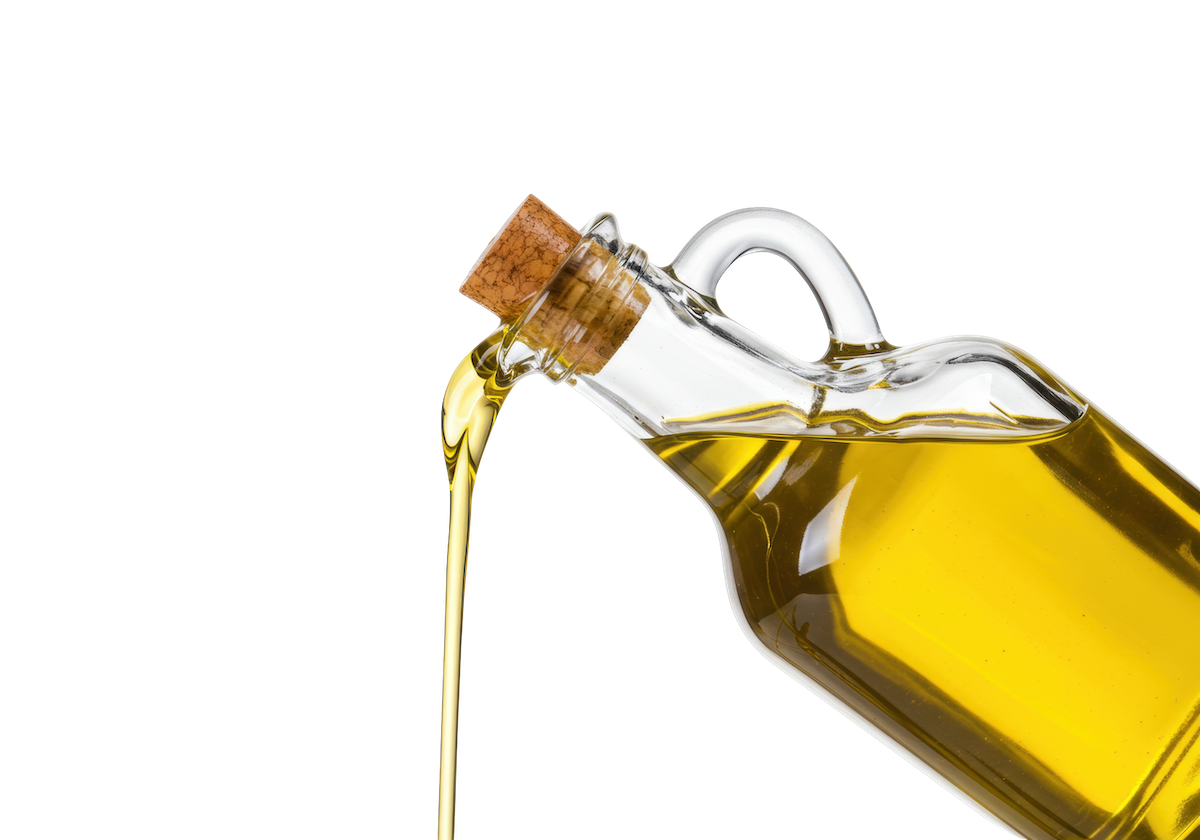
Recommended dose: 20-50mls per day, or about 2-3 tablespoons daily. Generally drizzled over oats, veg, salad, or you could try taking it as a shot. 

EVOO’s benefits come from both its healthy fats: (mostly monounsaturated oleic acid) and a small but powerful fraction of plant compounds (polyphenols) – studies show these do real biological work in our bodies. (PMC)

The superstar compound: oleocanthal – nature’s little ibuprofen

Researchers discovered oleocanthal in EVOO and noticed something fantastic for us: when you taste a peppery, throat-burning EVOO, the “bite” is a clue.

Indeed, oleocanthal effects have been likened to low-dose ibuprofen. And lab studies have shown it blocks the same enzymes targeted by non-steroidal anti-inflammatory drugs (NSAIDs). Therefore, oleocanthal behaves like a mild, food-based anti-inflammatory. Amazing, right?

(Important note: it’s not a prescription NSAID; it’s a dietary, lower-potency effect.) (PubMed)

Tip: Polyphenols are micronutrients found in plants.

Why extra-virgin olive oil (EVOO) is your BFF during peri- and post-menopause Menopause commonly comes with low-grade systemic inflammation, that's where those uncomfortable joint aches come in. And then there are shifts in metabolism and heart-disease risk. Yep - as you’ll know if you’re experiencing these, there are some big changes going on in your body. Huge. And while extra-virgin olive oil (EVOO) isn’t a magic cure, it is a potent, anti-inflammatory food that fits beautifully into a menopause-friendly eating pattern. It’s also a cornerstone of the anti-inflammatory way of eating - our evidence-backed go-to recommendation for women. In fact, it forms the foundation of our Shake It Off® 10-Day Reset. Recommended dose: 20-50mls per day, or about 2-3 tablespoons daily. Generally drizzled over oats, veg, salad, or you could try taking it as a shot. EVOO’s benefits come from both its healthy fats (mostly monounsaturated oleic acid) and a small but powerful fraction of plant compounds (polyphenols) that studies show do real biological work in our bodies. (PMC) The superstar compound: oleocanthal - nature’s little ibuprofen Researchers discovered oleocanthal in EVOO and noticed something fantastic for us: when you taste a peppery, throat-burning EVOO, the “bite” is a clue. Oleocanthal effects have been likened to low-dose ibuprofen. Indeed, lab studies have shown it blocks the same enzymes targeted by non-steroidal anti-inflammatory drugs (NSAIDs). Therefore, oleocanthal behaves like a mild, food-based anti-inflammatory. Amazing, right? (Important note: it’s not a prescription NSAID; it’s a dietary, lower-potency effect.) (PubMed) Tip: Polyphenols are micronutrients found in plants.

Other helpful compounds in EVOO

In fact, extra-virgin olive oil contains dozens of bioactive compounds. The most relevant for midlife inflammation, heart and metabolic health include:

Oleocanthal – non-inflammatory, COX inhibitor-like activity. (PubMed)
Hydroxytyrosol & tyrosol – potent antioxidants; support gut health, protect LDL from oxidation and reduce oxidative stress. (PMC)
Oleuropein / oleacein – secoiridoids with non-inflammatory, antioxidant and possible metabolic benefits. (ScienceDirect)
Oleic acid (monounsaturated fat) – improves lipid profiles and helps insulin sensitivity when it replaces saturated fats. (PMC)
Vitamin E, carotenoids and phenolics – antioxidant and cell-protective actions that support hormonal and joint health. (PMC)

EVOO + the Mediterranean diet

Large studies show that a Mediterranean diet – where EVOO is the main fat – may reduce cardiovascular risk and improve markers linked to metabolic syndrome. Markers of metabolic syndrome include high blood pressure, triglycerides, HDL and glucose regulation. So that’s majorly good news for us, as metabolic syndrome is common in menopausal women.

The PREDIMED trial (a major randomised trial) found that a Mediterranean-style way of eating lowered the risk of heart disease compared with a lower-fat control diet. This matters because menopause increases cardiovascular risk for many women. (New England Journal of Medicine)

how-extra-virgin-olive-oil-helps-inflammation-during-menopause

What this means for women in menopause

Less daily inflammation & aches: Because EVOO contains oleocanthal and other anti-inflammatory polyphenols, regular use helps reduce the chronic low-grade inflammation that can drive joint pain and menopausal discomfort. (PubMed)
Heart protection: Mediterranean-style eating, including EVOO, is associated with fewer heart attacks and strokes in high-risk groups. (New England Journal of Medicine)
Better metabolic markers: EVOO and polyphenol-rich Mediterranean diets support glucose and lipid control and may reduce features of metabolic syndrome – helpful when menopause shifts fat distribution and insulin sensitivity. (PMC)
Mood, cognition and overall quality of life: What’s more, emerging research links Mediterranean patterns (and EVOO intake in particular) to better mood and some measures of menopausal symptoms – promising, though more targeted trials are still coming. (Frontiers)

Practical, menopause-friendly ways to use EVOO

Around 20-30/50mls per day:

Daily drizzle: Use EVOO in dressings, drizzled over roasted veggies, in dips and on salads. Benefits are seen with regular use, not occasional. (New England Journal of Medicine)
Cook smart: EVOO is OK for heat cooking and shines as a finishing oil. For very high-heat searing, use a higher smoke-point oil (such as avocado oil), then finish with EVOO for flavour and polyphenols. (Health)
Choose high-polyphenol EVOO: Look for fresh, extra-virgin, cold-pressed oils from reputable producers. That peppery throat tingle signals higher oleocanthal content. Store in a cool, dark place. (PubMed)
Balance calories: Yep, EVOO is calorie-dense (a good fat, but energy-rich). Pair it with plenty of vegetables, legumes, whole grains and oily fish – Mediterranean staples that also deliver omega-3s. Sooo good.  (New England Journal of Medicine)

A gentle, evidence-based reality check

In our experience, EVOO is an amazing food tool – anti-inflammatory, heart-protective and metabolically friendly – but it’s not a substitute for medication when those are required. If you have existing medical conditions, are on anticoagulant therapy, or take specific medications, please check with your medical professional.

And while oleocanthal behaves like ibuprofen in lab studies, we’re talking about food-level, long-term support – not a replacement for pain relief when you need it urgently. (PubMed)

Summary

menopause-friendly-extra-virgin-olive-oilExtra-virgin olive oil is more than just a tasty oil and good fat – it’s a powerhouse. Polyphenols like oleocanthal, hydroxytyrosol and oleacein help reduce inflammation, protect heart and metabolic health, and fit beautifully into a Mediterranean-style diet that’s especially supportive during menopause.

What’s more, its high tocopherol (vitamin E) content and gut-microbiome-supporting qualities may help with other signs and symptoms too – particularly joint pain, anxiety, mood changes, depression and brain fog. Can you see why we love it?

And as a bonus, almonds, sunflower seeds, kumara (sweet potato) and avocado are also rich in hormone-loving vitamin E.

So, now you know some of its magic, go ahead and use EVOO liberally, and let food do some of the heavy lifting for aches, inflammation and long-term heart health.  (PubMed) It’s helped us no end!

Disclaimer: Our articles are guidelines only and should never be taken as medical advice. Any signs and symptoms you’re experiencing may have multiple causes. If symptoms persist, please see your health professional.

And just so you know: this article is written by a real person who has studied the physiology of menopause and women’s healthy ageing. While we may use AI as an assistant, the research, insights and heart behind every piece comes from us.
Share with a friend

Facebook
Twitter
LinkedIn
Email

Sign up to MenoMail for the latest news and stories and receive a discount code to redeem on your first purchase, plus receive a 3-step eBook on ways to support your body through menopause.

This site is protected by reCAPTCHA and the Google Privacy Policy and Terms of Service apply.
Scroll to Top

🎉✨ Say hi to ’26! ✨🎉

We extended the Boxing Day sale because some of you weren’t back, but it ends tonight.

25% off sitewide

Evidence-based support for
peri & post-menopause

Use code BYE25

Ends midnight tonight

T&Cs: cannot combine with other discounts or subscriptions.

Days
Hours
Minutes
Seconds

Post-menopause


This is the time when menstruation is well and truly over, the ovaries have stopped producing high levels of sex hormones and for many ladies, perimenopause symptoms subside.

Estrogen has protective qualities and the diminished levels mean organs such as your brain, heart and bones become more vulnerable. It’s also a key lubricant so your lips may become drier, your joints less supple and your vagina might be drier. In addition, your thyroid, digestion, insulin, cortisol and weight may alter.

At this juncture, a woman might experience an increase in the signs of reduced estrogen but she should have a decrease of perimenopause symptoms. That said, some women will experience symptoms like hot flushes for years or even the rest of their lives.

Perimenopause

Peri = ‘near’

Most females begin to experience the symptoms of perimenopause in their mid-forties. Your progesterone levels decline from your mid-30s but it’s generally from around 40 that the rest of your sex hormones begin to follow suit. 

Perimenopause is a different experience for every woman and some women may barely notice it. The first indicators are usually changes to the monthly cycle. This means that for some ladies, this can be accompanied by things like sore breasts, mood swings, weight gain around the belly, and fatigue as time goes on.

For those with symptoms it can be a challenging time physically, mentally and emotionally.

Importantly, perimenopause lasts – on average – four to 10 years. The transition is usually a gradual process and many women enter perimenopause without realising.