Menopause bloating. Groan.
One of the most common complaints we hear from women in peri- and post-menopause is bloating. For some, it’s mild and comes and goes. For others, it can feel like they’ve woken up three months pregnant.
If that’s you, you’re probably wondering whether perimenopause or post-menopause could be to blame.
In a word: yes.
Hormonal changes during menopause can affect everything from digestion and gut health to fluid retention and stress levels, all of which can contribute to bloating.
What is bloating?
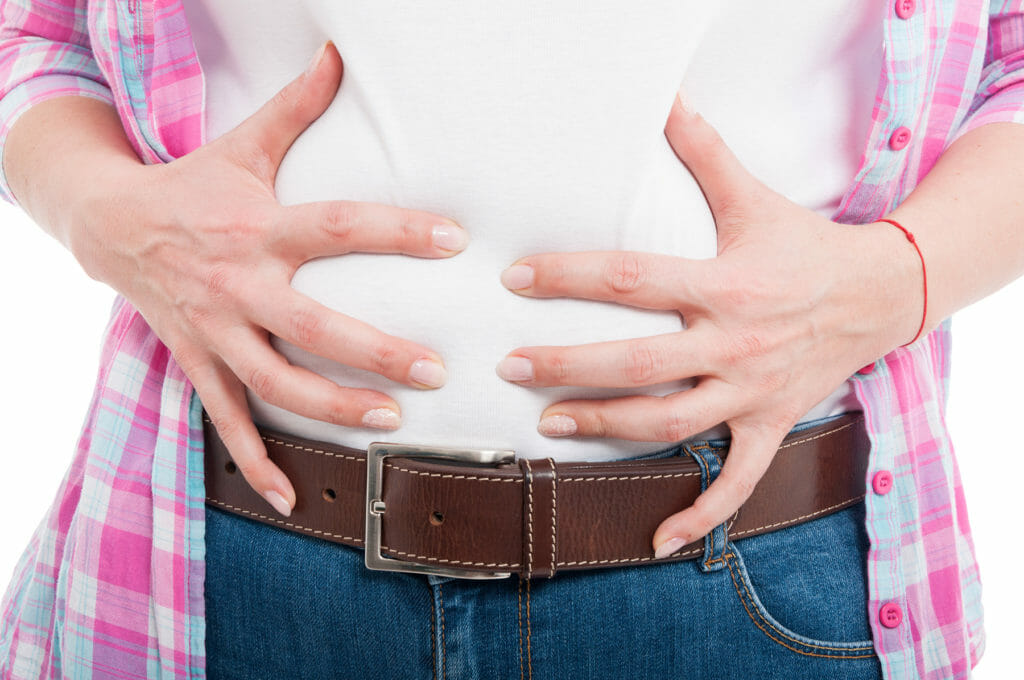
Menopause bloating is a feeling of fullness, tightness or swelling in the abdomen, often accompanied by a visibly distended stomach. In short, it can be uncomfortable. And it’s certainly not ideal if you’re trying to enjoy an island holiday.
It’s also worth noting that constipation can contribute to bloating. Supporting regular bowel movements with plenty of fibre-rich whole foods, fresh produce and adequate hydration can help keep things moving in the right direction.
Why does bloating occur during menopause?
There can be several reasons.
One of the biggest contributors is fluctuating hormone levels, particularly estrogen. As estrogen rises and falls during perimenopause, and eventually declines after menopause, it can contribute to fluid retention and changes in digestion, both of which may lead to bloating.
Estrogen influences many systems throughout the body, including the liver, gut and pancreas. As hormone levels change, some women notice shifts in digestion, bowel habits and blood sugar regulation, which can contribute to symptoms such as gas, bloating and digestive discomfort.
Some research also suggests that stomach acid and digestive efficiency may decline with age, making certain foods harder to digest than they once were.
In addition, uterine fibroids can sometimes contribute to bloating during pre- and perimenopause. While fibroids often shrink after menopause, it’s worth speaking with your healthcare professional if you’re experiencing persistent bloating or abdominal discomfort.
Watch: Digesting Midlife – How Gut Health Impacts Your Menopause Journey
What can you do about menopause bloating?
The good news is that a few simple changes can make a noticeable difference to bloating and digestive comfort.
Stay hydrated
Water plays an important role in digestion, bowel regularity and overall health. It helps keep things moving through the digestive tract and may help reduce bloating associated with constipation and fluid retention.
Move your body
Regular movement supports healthy digestion and bowel function. Even a daily walk can help keep things moving and reduce feelings of sluggishness and bloating.
Reduce refined carbohydrates and sugar
Highly processed foods can contribute to digestive discomfort, blood sugar fluctuations and increased cravings. Focusing on whole, minimally processed foods may help support better digestion and overall wellbeing.
Eat prebiotic- and probiotic-rich foods
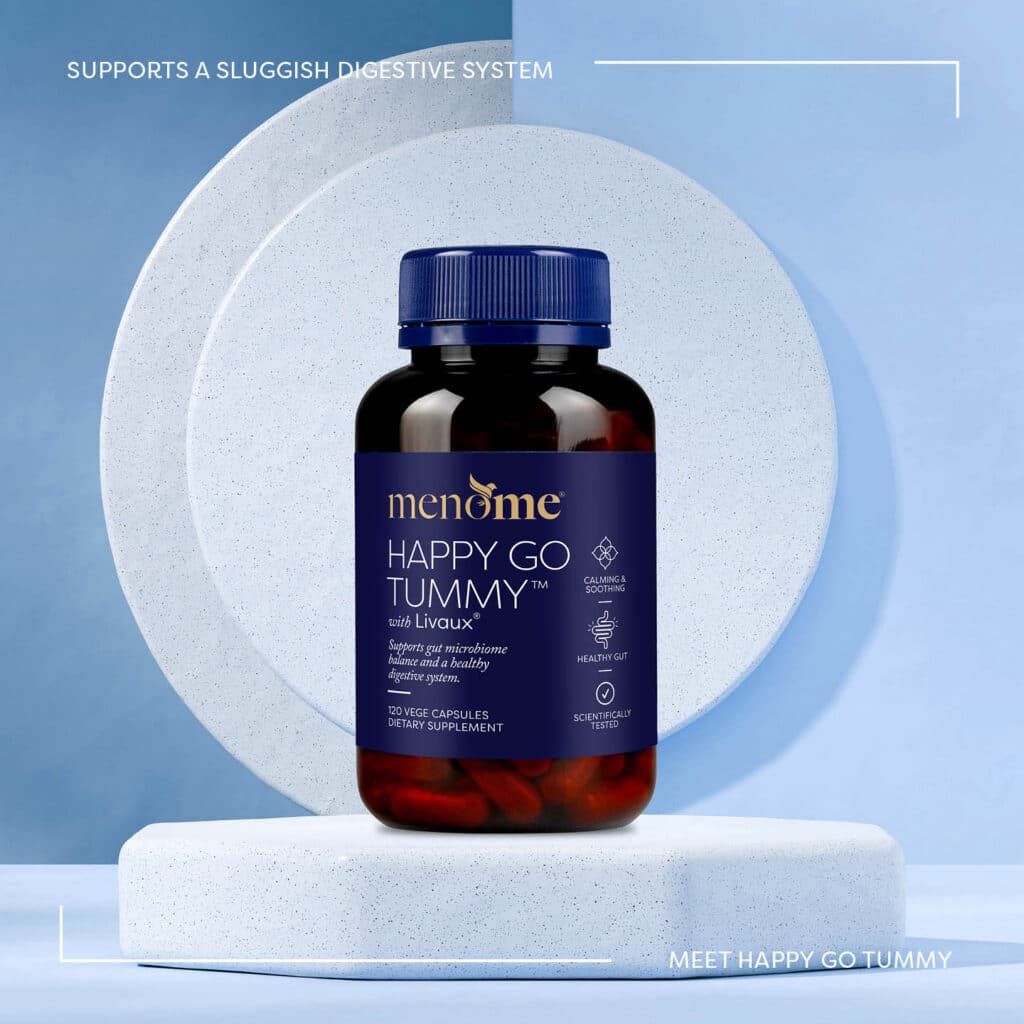
Prebiotic foods such as vegetables, legumes and whole grains help feed beneficial gut bacteria. Fermented foods including sauerkraut, kefir and kombucha may also support a healthy gut microbiome. Some women may also benefit from a quality prebiotic and probiotic supplement such as Happy Go Tummy®.
Chew your food
Digestion begins in the mouth. Taking your time to chew thoroughly can make food easier to digest and may reduce the amount of air swallowed during meals, which can contribute to bloating.
Watch your portion sizes
Large meals can place extra demands on digestion and may leave you feeling uncomfortable. Eating slowly and paying attention to hunger and fullness cues can help support both digestion and weight management.
Be mindful of very cold food and drinks
Some traditional systems of medicine, including Ayurveda, suggest that ice-cold food and drinks may slow digestion. While the evidence is limited, some people find they feel more comfortable consuming room-temperature or warm drinks, particularly if they experience frequent digestive discomfort.
Do you know your trigger foods? It’s a good idea to keep a food diary for a while and track whether eating certain foods set you off.
Ayurvedic Digestive Tea
This digestive tea is delicious, aids digestion and minimises bloating.
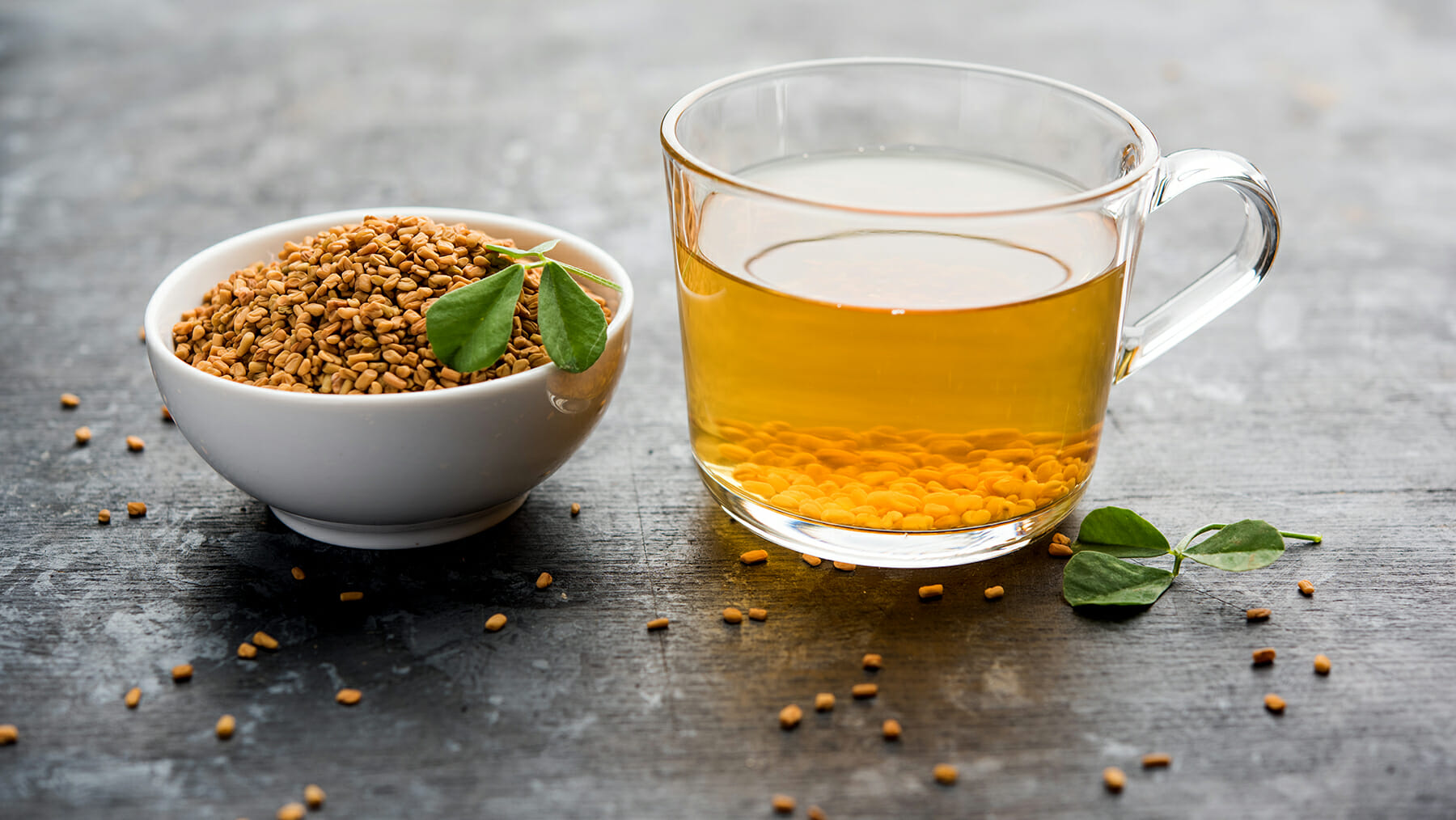
It’s easy-peasy, inexpensive and the seeds are readily available.
- ¼ tsp coriander seeds
- ¼ tsp cumin seeds
- ¼ fennel seeds
- Boiling water
Grind the seeds. I make light work of it with an inexpensive coffee grinder.
Add them to a tea infuser or tea bag and dunk in boiling water. If you don’t have either of these, they’re inexpensive and you’ll find a selection of infusers and fillable teabags on Amazon.
A dash of ginger and/or cinnamon can add a bit of extra flavour if you desire. And they have the bonus of being wellness powerhouses. Think anti-inflammatory antioxidants.
This delicious Dukkah recipe‘s helpful too.
Enjoy.
NB: If you’re not experiencing gut issues, ice-cold drinks can help regulate your body temperature in summer. Ideal if you’re battling hot flushes.
Disclaimer: Always check in with your doctor to rule out other possibilities such as irritable bowel syndrome or SIBO.