Are you experiencing constipation or sluggish poop?
Let’s talk about something most people avoid talking about: constipation.
It’s common in midlife and menopause, but that doesn’t mean you have to put up with it.
If you’re feeling bloated, uncomfortable, sluggish, or like your digestive system has hit the brakes, you’re certainly not alone.
The good news? There are practical things you can do to help get things moving again.
The truth is, constipation and slow digestion can show up as bloating, gas, fluid retention and general digestive discomfort.
Why does constipation happen

There can be a few reasons for constipation and sluggish poop, and one of them is a digestive system that’s simply on the go-slow.
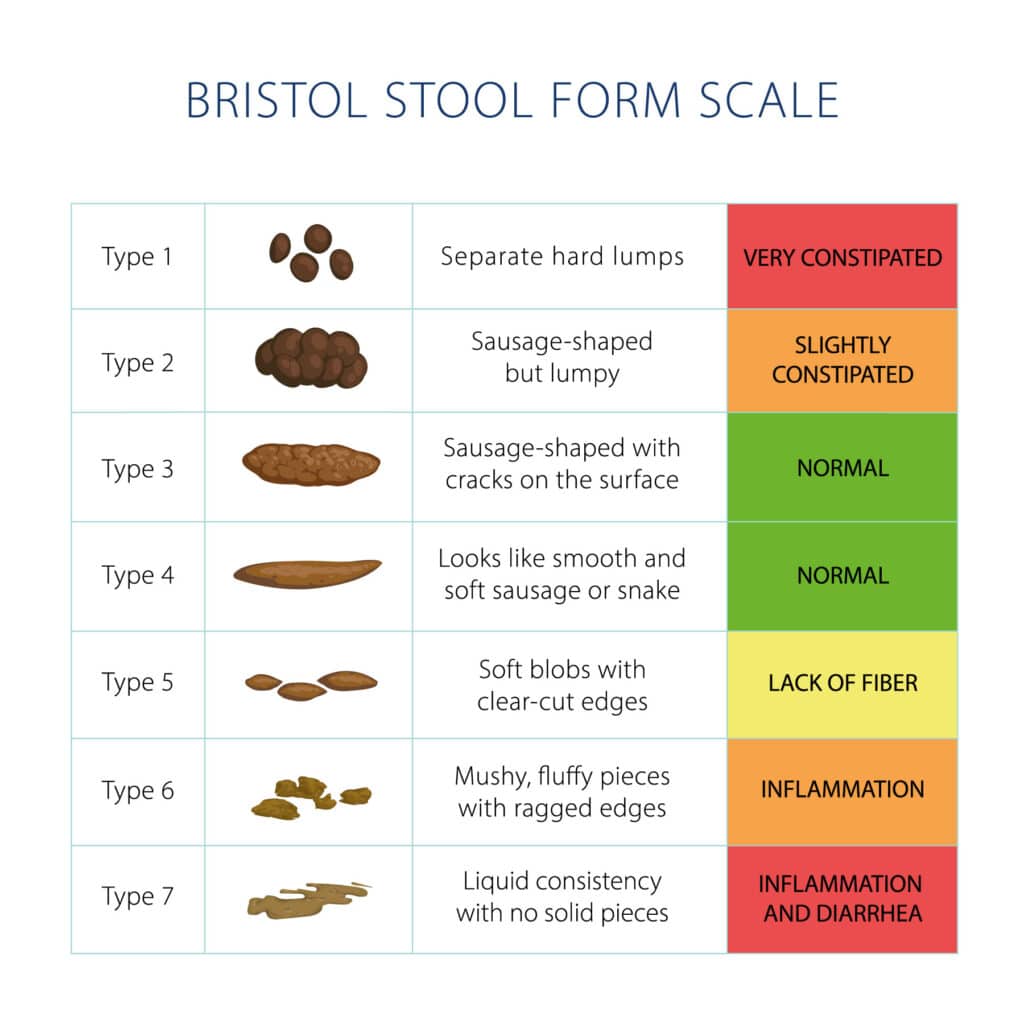
When it comes to your poop, you want it to be nicely formed and travelling with ease.
But sometimes, things can swing the other way – becoming too loose or compacted. Take a look at the Bristol stool chart (left) to get an idea of where you’re sitting (literally).
Does something need to change?
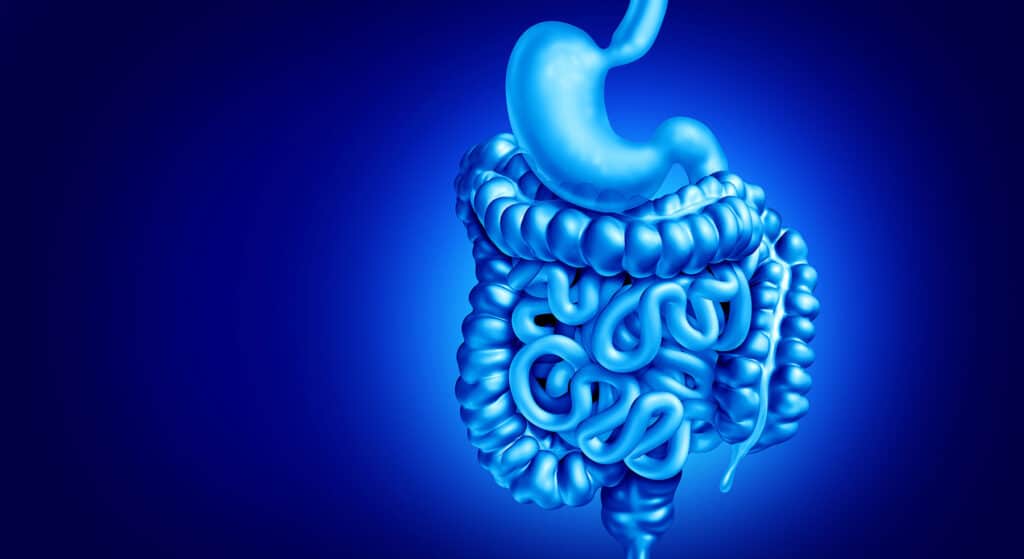
The link between your liver, gallbladder, bile & constipation

We often talk about loving your liver – and for good reason.
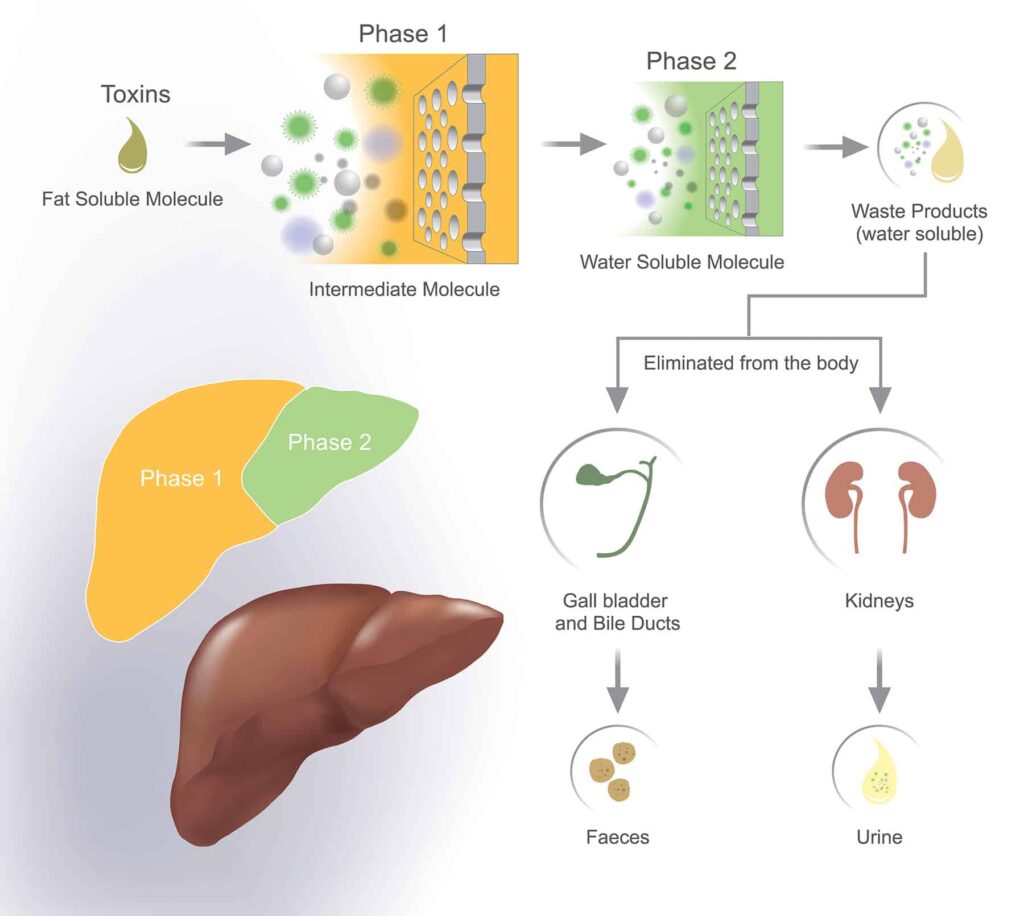
Your liver is one of your body’s major detoxification organs. One of its key jobs is to clear out excess estrogen and other toxins that we eat, produce and absorb from our environment.
Your liver plays an important role in processing hormones and waste products. Supporting liver health is one part of supporting overall wellbeing during menopause.
So showing your liver some love is about more than detox – it’s about helping your whole body (and your hormones) feel more balanced and comfortable during midlife.
When it comes to your gallbladder and bile production, it’s closely linked to your liver.
Your liver makes bile, which is stored in your gallbladder to help you digest fat.
If you’ve had your gallbladder removed, your liver still makes bile – but instead of storing it, the bile is produced and released as needed.
And here’s the thing: bile helps keep your bowels moving.

So, a happy liver + happy gallbladder + happy bile flow = happy poop.
Tip: everyone’s a little different, but the general consensus is most people poop anywhere from three times a week to three times a day.
Now we’ve got that backstory out of the way here are:
6 Ways To Boost Your Bowels
(ditch constipation and keep regular)

1. Eat fibre
Although fibre is important for healthy pooping, most of us don’t eat nearly enough it. In fact, gastroenterologist Dr Will Bulsiewicz says 19 out of 20 people aren’t getting enough.
According to NRVs (Nutrient Reference Values for Australia and New Zealand), you should be aiming for at least 25g of fibre per day.
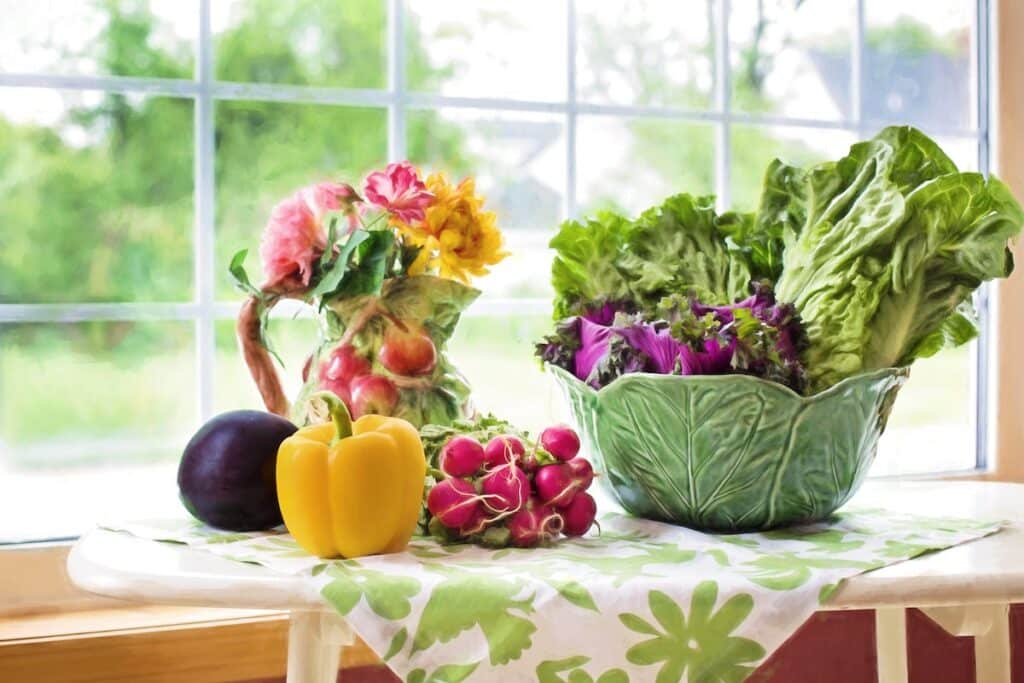
Dietary fibre is the indigestible part of fruits, veggies, and whole grains like oats, quinoa and legumes. They’re often called prebiotics because they help feed your healthy gut bugs. You’ll also find fibre in prebiotic supplements (see 6).
There are two main types of fibre:
- Soluble fibre – helps balance blood sugar, aids digestion, keeps you fuller for longer, increases insulin sensitivity, and improves gut health.
- Insoluble fibre – soaks up water, softens your poop, and helps clear out your colon by removing waste and excess toxins.
And if you doubt those fibre statistics, fill up on larger servings on fibre-rich foods for a few days and notice:
a. how much more you poop, and
b. how much easier it is.
2. Ensure you’re adequately hydrated
Some people’s eyes glaze over when they hear “drink more water” – but honestly, it’s a total game-changer for everything from energy to brain fog. And most important for today’s topic – it’ll help you poop.
Most women benefit from aiming for around 2 to 2.5 litres of fluid per day, although individual needs vary.
For example, if you’re 70kg that’s around 2.4 litres per day.
If all that math feels too complicated, don’t worry – there are easy apps to help track your water intake like this one.
Also remember: eating high-water content foods (like fruit and veggies) count towards your daily hydration too.
3. Take a load off your liver
Try to avoid liver loaders like caffeine, alcohol, and refined sugars. These can slow down your detoxification processes. (And yes, we can hear the collective groan.)
But honestly, the benefits are so worth it.
Supporting your liver can not only help you poop more regularly, but it may also reduce menopause symptoms like hot flushes and headaches.
(Those are only caused by liver issues – but an unhappy liver can definitely contribute.)
4. Go for bitter foods
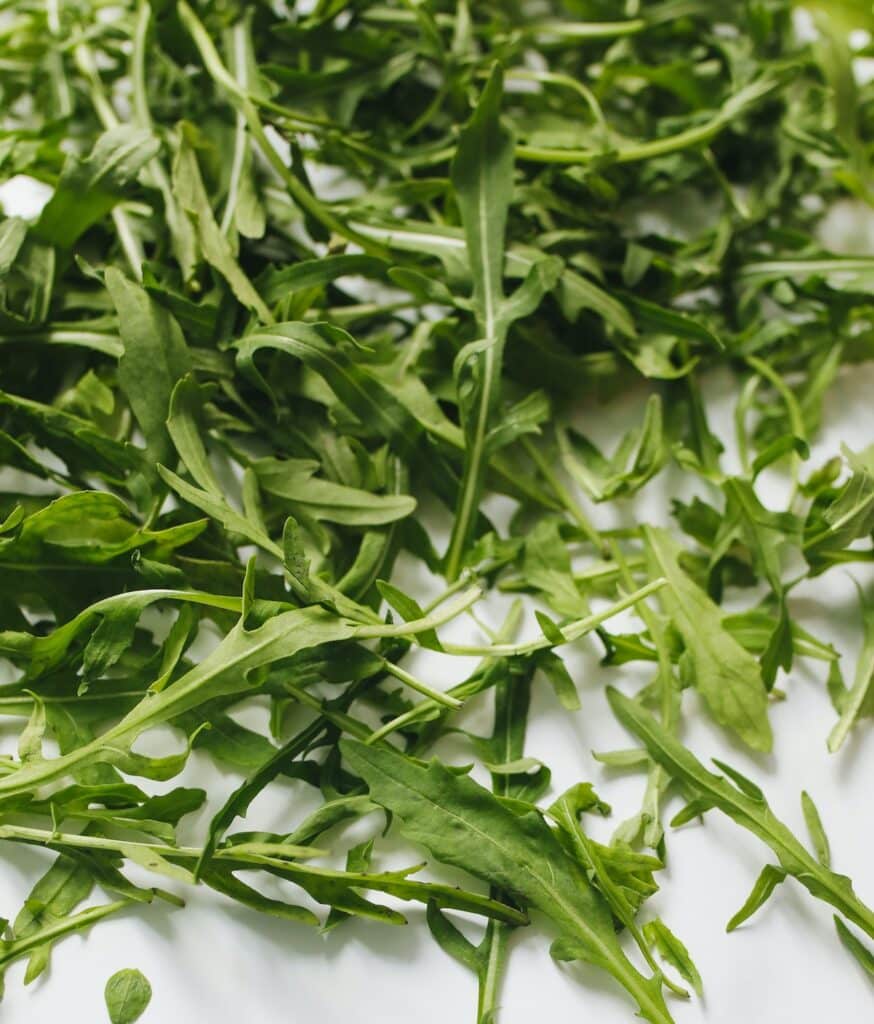
Eat plenty of bitter foods like rocket (pictured), watercress, kale, dandelion, saffron, sesame seeds, fenugreek and turmeric.
Bitter foods encourage your stomach acid, digestive enzymes, and bile production – all essential for happy poop.
In Ayurvedic medicine, bitters are said to light your digestive fire (called ‘agni’).
And today, we’re all about boosting that fire to keep your bowels moving.
5. Chew well
Most of us are guilty of inhaling our food (smile-y face), but chewing properly is super important for digestion.
The more you chew, the better off your gut is – and the smoother the exit, if you know what we mean!
Chewing helps soften and lubricate food, giving your digestive system a head start.
The ideal? Aim for 30 chews per mouthful.
But if that feels like a lot, start with 10-12 chews and build up. Your gut (and poop) will thank you.
6. Love your gut bugs
Your microbiome – the trillions of bacteria in your gut – play a huge role in digestion and regular pooping.
You can support your gut health by eating fibre-rich foods and taking a good digestive supplement.
- Prebiotics feed your good bacteria.
- Probiotics help populate good bacteria.
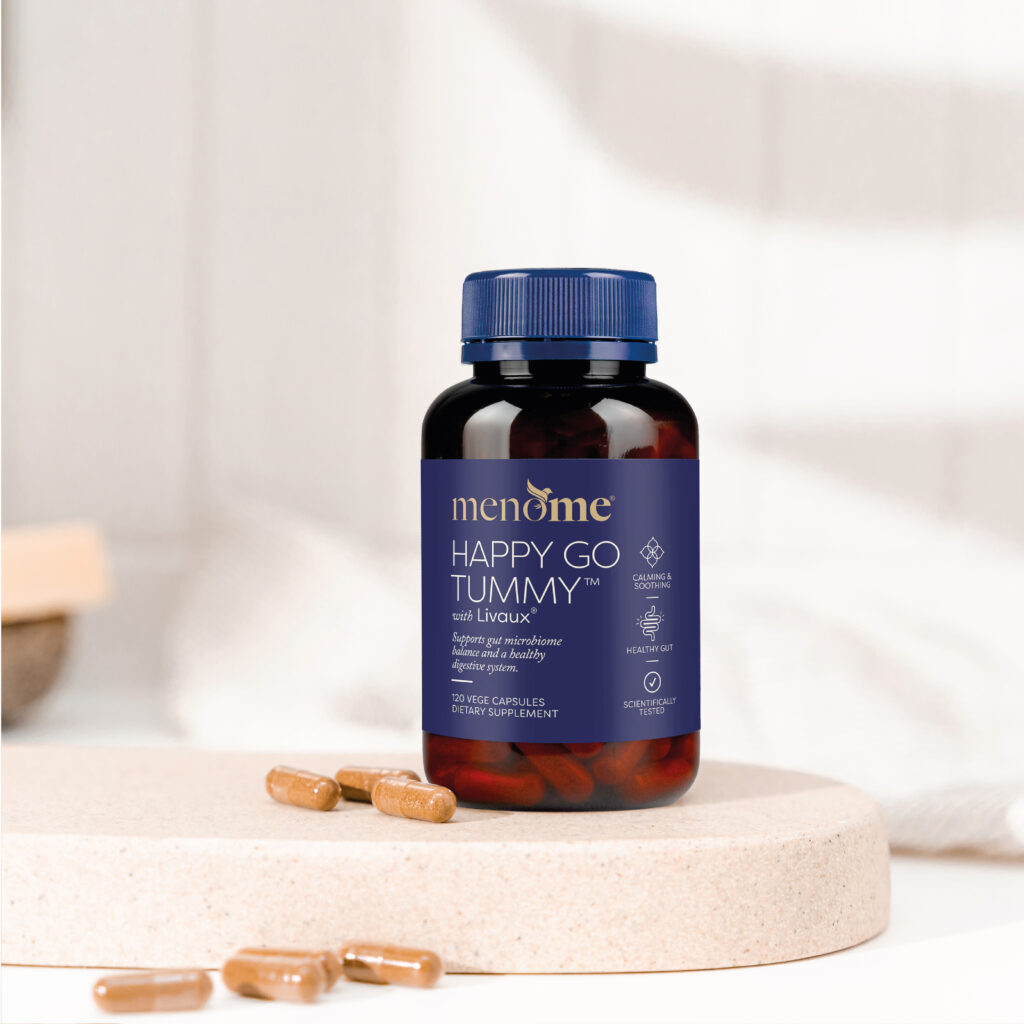
That’s why we created Happy Go Tummy® – a combination prebiotic and probiotic specially designed to support a healthier gut, happier poop, and better overall wellbeing.
Want to know more? Read: What’s the difference between a prebiotic and a probiotic here.
Conclusion
Constipation is common during menopause, but it isn’t something you simply have to accept.
Often, small changes can make a big difference. Eating more fibre, staying hydrated, chewing your food properly, supporting your gut health, and moving your body regularly can all help keep things moving.
The goal isn’t perfection. It’s helping your digestive system do what it was designed to do.
And when your digestion feels better, the rest of you often does too.
Disclaimer: This article is intended for educational purposes only and should not be considered medical advice. If you’re experiencing ongoing constipation, digestive symptoms, or changes in bowel habits, please seek advice from your healthcare professional.
Just so you know: This article is written by a real person who has studied the physiology of menopause and women’s healthy ageing. While we occasionally use AI to help organise research and ideas, every article is reviewed, refined and published by us. The expertise, experience and heart behind it are always human.