Do you ever wonder, “Why am I gaining weight during menopause?” It can feel like menopause weight gain happens no matter how much you exercise or how little you eat.
We hear this from women all the time.
You’re doing everything you’ve always done, yet the scales keep creeping up. So, you exercise harder, eat less, and cut back on treats. Still, nothing changes. Even your tried-and-tested weight loss strategies no longer seem to work.
Welcome to life after 40.
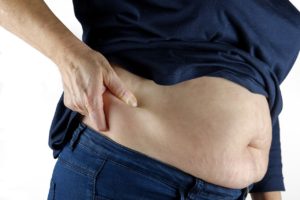
For many women, menopause weight gain is a frustrating reality. While not everyone experiences significant weight gain, putting on 3–5 kg isn’t uncommon. Even if the number on the scales doesn’t change dramatically, most women notice changes in body composition and fat distribution, particularly around the abdomen.
The good news? A little understanding goes a long way. Once you know what’s driving these changes, you can make smarter choices that work with your changing body.
Struggling with menopause weight changes?
Shake It Off® combines practical lifestyle support with optional capsules for appetite, blood sugar and metabolism.
Discover Shake It Off® here
Hormonal changes play a major role in menopause weight gain
Menopause weight gain is partly driven by the hormonal changes that occur during perimenopause and post-menopause.
As we move through the perimenopause transition and into post-menopause, our progesterone, estrogen, and testosterone levels shift significantly. These changes can affect far more than just our menstrual cycle.
In fact, progesterone, estrogen, testosterone, cortisol, insulin, and thyroid hormones all need to work together in harmony to help regulate your metabolism, appetite, fat storage, and blood sugar levels.
When one or more of these hormones falls out of balance, it can become much easier to gain weight – particularly around the belly. Hormonal fluctuations can also increase cravings (hello, carbohydrates and sugar!), reduce energy levels, disrupt sleep, and make it feel much harder to maintain a healthy weight.
Related: It’s not just about estrogen.
Growing older contributes too
Menopause weight gain isn’t just about changing hormones. Ageing also plays an important role.
As we get older, we naturally lose muscle mass and gain body fat in a process known as sarcopenia. Because muscle is more metabolically active than fat, having less muscle means your body burns fewer calories at rest. This gradual slowing of your metabolism can make it more challenging to maintain your weight.
At the same time, shifting hormone levels also influence where your body stores fat. Instead of accumulating around the hips and thighs, fat is more likely to settle around the abdomen – a change many women notice during perimenopause and post-menopause.
If you’re gaining weight during menopause, exercising harder and eating like a bird isn’t the answer.
In fact, over-exercising and under-eating can increase physical stress on the body, potentially making it even harder to lose weight. For some women, these habits may even contribute to further weight gain.
Instead, the focus should be on supporting your body’s changing hormonal needs. That doesn’t mean eating more of everything – it means eating more of the foods that nourish you. Fill your plate with colourful vegetables, quality protein, healthy fats, legumes, nuts, seeds, and other whole foods.
We like to think of it as “adding in” rather than taking away. By adding more nutrient-dense foods, you’ll naturally begin to “crowd out” highly processed foods, refined sugars, and refined carbohydrates without feeling deprived.
So remember:
Add in. Crowd out.
10 evidence-based reasons you’re gaining weight during menopause
1. Too much stress
Cortisol is your body’s primary stress hormone. When cortisol levels remain elevated, your body assumes you’re under threat – just as it did in our caveman days – and switches into ‘fight or flight’ mode.
As part of this response, your body releases extra glucose (sugar) into the bloodstream to provide the energy needed to escape danger.
In modern life, however, we’re usually not running from predators. Because that extra glucose isn’t being used, insulin steps in to move it out of the bloodstream and store it for later – often as body fat.
When stress becomes chronic, your body can remain in this protective state, making menopause weight gain more likely and making it much harder to lose excess fat.
That’s why managing stress is just as important as healthy eating and exercise. If your body constantly believes it’s under threat, it will continue to prioritise survival over fat loss.
Listen: Relationship stress can add another layer during menopause. In this Women on Fire® episode, Jenna talks with Dr John Gray about relationships, changing hormones and the stress response.
2. Not enough sleep
A good night’s sleep is restorative and plays an essential role in regulating your hormones. If you’re experiencing disrupted sleep, it places your body under stress. In response, your adrenal glands produce more cortisol (see Reason #1), which can encourage your body to hold onto its fat stores.
Research also shows that poor sleep increases levels of ghrelin, the hormone that stimulates hunger. Higher ghrelin levels can leave you feeling hungrier, increase cravings for high-calorie foods, and make menopause weight gain even more difficult to manage.
This is why improving your sleep isn’t just about feeling more rested – it’s an important part of supporting healthy weight management during menopause.
Related: Why Sleep Becomes A Struggle During Menopause, And What You Can Do
3. Not doing the right exercise
Choosing the right type of exercise is especially important during midlife. Over-exercising is something to avoid, as it can trigger your body to produce more cortisol and encourage fat storage (see Reason #1). On the other hand, the right kind of exercise helps balance hormones, reduce stress, and support menopause weight gain management.
Regular movement is essential for good health, so we’re certainly not suggesting you stop exercising. After all, sitting has been dubbed the new smoking, and many of us spend far too much time doing it. While weight loss and weight management are influenced primarily by what you eat, exercise plays a vital role in maintaining muscle mass, supporting metabolism, and improving overall wellbeing after 40.
For most women, moderate-intensity exercise is the sweet spot during perimenopause and post-menopause. Think long walks, Pilates, yoga, stretching, swimming, strength training, and deep breathing. Research also continues to support the benefits of HIIT (High-Intensity Interval Training), which alternates short bursts of high-intensity exercise with periods of lower intensity. However, if you’re struggling with poor sleep, chronic stress, or adrenal overload, it’s wise to introduce HIIT gradually and only once your body feels more balanced.
Getting your heart rate up and building strength is fantastic for both your physical and mental health. But more isn’t always better. If you push too hard, your body may return to a heightened stress response (see Reason #1).
There’s no one-size-fits-all approach. If you’ve always enjoyed endurance sports or triathlons, you’ll already have a good understanding of how your body responds. The key is to listen to your body and choose an exercise routine that supports your health rather than adding unnecessary stress.
4. Sugar & refined carbohydrate overload
We talk about sugar and refined carbohydrates a lot – and for good reason. Refined carbohydrates are quickly broken down into sugar, which can exacerbate unwanted symptoms during perimenopause and post-menopause, while also making menopause weight gain more likely.
A diet high in sugar can also contribute to insulin resistance, a precursor to type 2 diabetes.
Put simply, the pancreas produces the hormone insulin to help move glucose (sugar) from the bloodstream into your cells, where it’s used for energy. With insulin resistance, your cells don’t respond as effectively to insulin. To compensate, the pancreas produces more and more insulin in an attempt to keep blood sugar under control.
Over time, this can lead to blood sugar crashes, increased cravings for sugary and refined foods, and greater fat storage. It also increases your risk of developing conditions such as type 2 diabetes.
In a nutshell, high insulin levels encourage fat storage. It becomes a vicious cycle: the more insulin your body produces, the more fat it tends to store. The more fat that’s stored, the stronger the cravings for carbohydrates and sugar can become. And the more sugar and refined carbohydrates you eat, the more insulin your body needs to produce.
Related: Discover how sugar can affect hormones, blood sugar and weight gain during menopause.
5. Not enough healthy fats & protein
For years, women were told to avoid fat like the plague – and some still do. But healthy fats are essential for maintaining a healthy weight, keeping you satisfied after meals, and, as a bonus, supporting healthy skin.
Healthy fats are also needed to produce hormones, absorb fat-soluble vitamins, and support normal brain function. Good sources include nuts, seeds, avocado, extra virgin olive oil, and oily fish such as salmon and tuna.
As a general rule, if you’re not eating enough healthy fat, you’re often replacing it with carbohydrates or sugar. That’s how many “low-fat” products work – they remove the fat but add sugar to improve the taste (see Reason #4). Whenever possible, choose minimally processed, full-fat foods.
Don’t skimp on protein, either. About a palm-sized portion every time you eat. Protein helps keep you feeling fuller for longer, supports muscle maintenance, and helps stabilise blood sugar levels, reducing the need for excess insulin production (see Reason #4).
A simple strategy is to pair protein with your carbohydrates. For example:
- Fish with sweet potato and vegetables.
- A stir-fry with eggs, quinoa, broccoli, peas, or spinach.
- Overnight oats made with soy or almond milk, topped with banana and slivered almonds.
NB: The liver can decrease in size by up to 40% during midlife, making it even more important to look after it. Processed foods and diets high in saturated fat can place additional strain on the liver, so we recommend limiting foods high in saturated fat, including coconut oil.
Menopause can also change how the liver stores and processes fat. Read more about the link between fatty liver and menopause, including the metabolic changes involved and what supports liver health.
6. Failing at fibre
If you’re not eating enough fibre, chances are you’re not pooping enough either. And if you’re not pooping regularly, your tummy can start to feel sluggish, bloated, and, as we like to say, a little well-upholstered.
Fibre plays an important role in digestive health by helping your body eliminate waste efficiently and supporting a healthy gut microbiome. It also helps keep you feeling fuller for longer, supports stable blood sugar levels, and can make managing menopause weight gain that little bit easier.
The good news? It’s an easy fix. Load up on fibre-rich whole foods such as fruit, vegetables, legumes, and wholegrains—many of the same foods we recommended in Reason #5.
7. Food intolerances
You may have been able to eat whatever you liked in the past, but food intolerances can become more noticeable during midlife. Alternatively, they may have been there all along, with hormonal changes simply making you more sensitive to them.
For some women, certain foods can contribute to inflammation, digestive discomfort, or blood sugar fluctuations, making menopause weight gain feel even more difficult to manage.
Common triggers can include gluten and dairy for those who are sensitive to them, while diets high in added sugar can worsen blood sugar imbalances and inflammation.
If you suspect a food intolerance, try eliminating the suspected food for three to four weeks and keep a diary of your symptoms. Monitoring changes in your digestion, energy levels, sleep, and overall wellbeing can help you identify whether a particular food is affecting you.
8. Thyroid issues
Thyroid problems become more common as we get older and can make it much harder to manage menopause weight gain. Because the thyroid helps regulate your metabolism, even a mildly underactive thyroid can leave you feeling tired, sluggish, and more prone to gaining weight.
And hello, weight gain!
Whenever someone tells me they’re doing all the “right things” – eating well and exercising – but still can’t lose weight, I always ask about their thyroid health. If your thyroid isn’t functioning optimally, it can make weight management incredibly challenging.
That’s why I recommend asking your healthcare provider for a comprehensive thyroid assessment if you have symptoms suggestive of a thyroid disorder. In Australasia, thyroid screening often begins with a TSH (thyroid-stimulating hormone) test. However, depending on your symptoms and medical history, your practitioner may also consider testing Free T4 and, where clinically appropriate, Free T3, Reverse T3 and Thyroid Antibodies to build a more complete picture.
If you’re not getting the answers you need, seeking advice from a knowledgeable healthcare practitioner with experience in thyroid health may be worthwhile.
Tip: Your thyroid needs key nutrients, including zinc (pumpkin seeds), iodine (sea vegetables such as kombu and kelp), and selenium (Brazil nuts), to function normally. Aim to obtain these from a balanced diet unless your healthcare provider recommends supplementation.
9. Digestive disorders
You can’t go far these days without hearing about the gut – and for good reason. A healthy gut plays an important role in digestion, immunity, hormone regulation, and overall wellbeing. In fact, around 70–80% of the body’s immune cells are associated with the gut, making it central to good health.
Your gut is home to trillions of microorganisms, collectively known as the gut microbiome. These bacteria, fungi, viruses, and other microbes help digest food, produce nutrients, support your immune system, and may even influence appetite and metabolism. A healthy, balanced gut microbiome can make managing menopause weight gain much easier.
One fascinating part of the gut microbiome is the estrobolome – a collection of beneficial bacteria that helps regulate and recycle oestrogen in the body. When the estrobolome is healthy, it supports balanced estrogen levels. But if the gut microbiome becomes disrupted, estrogen metabolism can also be affected, potentially contributing to hormonal imbalance and making menopause weight gain and other symptoms more difficult to manage.
Under normal circumstances, these microorganisms exist in harmony. However, poor diet, frequent antibiotic use, certain medications, and chronic stress (see Reason #1) can disrupt this balance. This imbalance may contribute to digestive issues, increased cravings (see Reason #4), inflammation, and make weight management more challenging.
Tip: We suggest taking a synbiotic probiotic/prebiotic like Happy Go Tummy®. You can also include fermented foods such as sauerkraut and kombucha to help support a healthy gut microbiome – provided you’re not histamine intolerant.
Free Webinar: How Gut Health Impacts Your Menopause Journey
10. Exposure to toxins, xenoestrogen and endocrine disruptors
We’re surrounded by thousands of synthetic chemicals in our food, environment, personal care products, medications, and household cleaners. Some of these are known or suspected endocrine-disrupting chemicals (EDCs), meaning they can interfere with the body’s natural hormones.
A group of these chemicals has been nicknamed “obesogens” because research suggests they may influence how the body stores fat, regulates metabolism, and controls appetite. Some endocrine disruptors may also affect thyroid function and insulin sensitivity, making menopause weight gain even more challenging to manage.
While it’s impossible to avoid all chemical exposures, you can reduce your overall toxic load by choosing whole foods where possible, storing food in glass instead of plastic, filtering your drinking water, and opting for cleaner personal care and household products whenever you can.
Related:
Conclusion
Menopause weight gain can be frustrating, but it doesn’t have to be inevitable. We hope these 10 evidence-based pointers have helped you better understand what’s happening in your body and, more importantly, what you can do about it.
Remember, fluctuating hormones, age-related metabolic changes, thyroid health, insulin imbalance, and elevated cortisol can all contribute to stubborn weight gain during perimenopause and post-menopause.
There can also be many other contributing factors, including drinking too much alcohol or caffeine and simply not drinking enough water.
Staying well hydrated with plain water is one of the simplest ways to support your metabolism, energy levels, digestion, and overall health. If you’re looking for inspiration, you can read about water and weight loss and discover some delicious water recipes here.
If you’d like extra support on your menopause weight loss journey, our new Shake It Off® System has been developed specifically for women in perimenopause and post-menopause.
Combining targeted nutrition, healthy lifestyle strategies, and our new Shake It Off® capsules with Feiolix®, it’s designed to support appetite regulation, blood sugar, healthy metabolism, energy, and sustainable weight management.
Rather than relying on restrictive dieting, Shake It Off® works with your changing body to help you feel healthier, stronger, and more in control.

Prefer targeted nutritional support? Discover Shake It Off® with Feiolix® here