
(And why it’s not just hot flushes)
If you’ve found yourself peeling off layers while everyone else is perfectly comfortable – welcome to the season of menopause.
“I feel hotter all the time.”
We hear this a lot.
The truth is, this kind of heat is often not as dramatic as a hot flush can be, and you’re not necessarily drenched in sweat. But you are constantly warm, restless, and out of sync with your norm.
While hot flushes and night sweats get all the attention, heat regulation changes in menopause go far beyond those moments. Let’s talk about what’s going on – and why your internal thermostat feels permanently stuck on “summer”.
The menopause thermostat
Your incredible body is brilliant at keeping you at a stable temperature – until hormones start shifting.
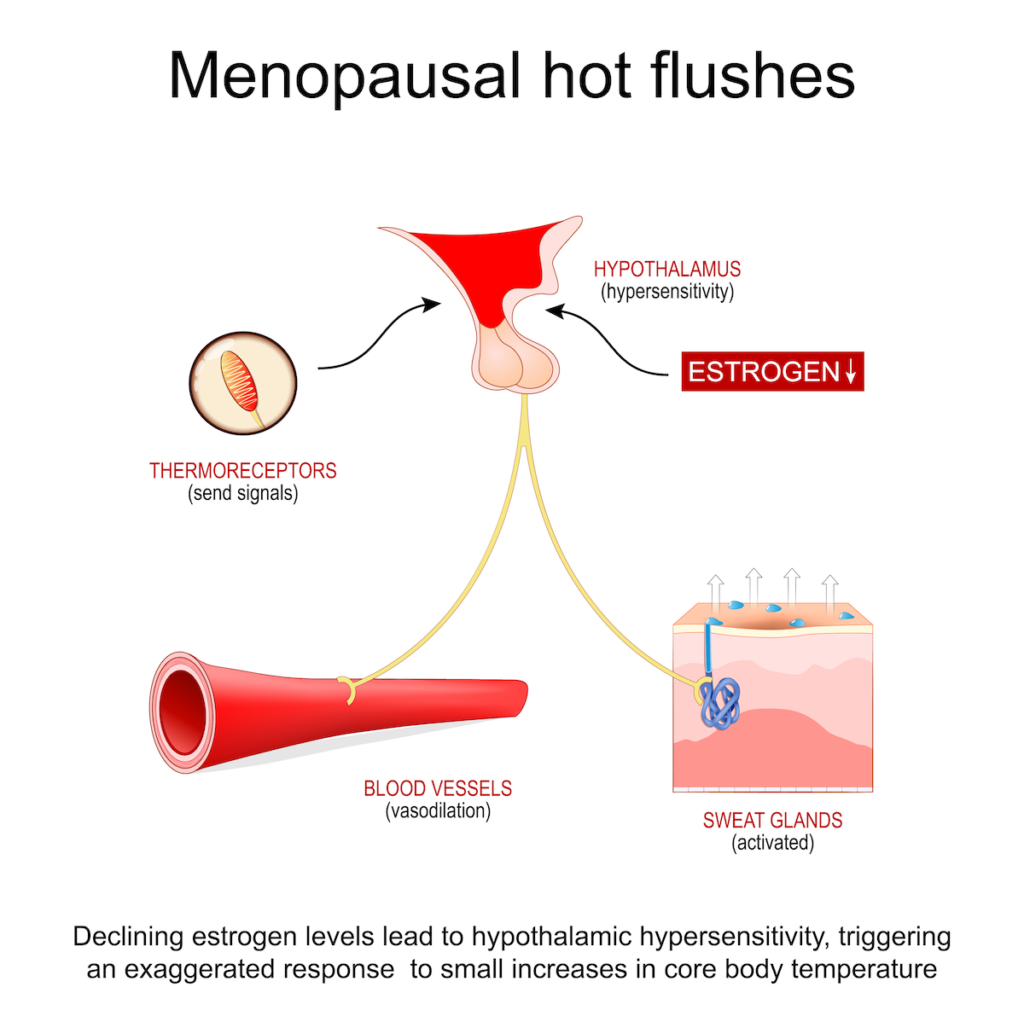
At the centre of this is the hypothalamus, the part of your brain that regulates body temperature. It relies heavily on estrogen to interpret signals accurately.
During perimenopause and menopause:
- Estrogen becomes lower and goes through peaks and troughs
- The hypothalamus can become over‑sensitive
- Voila! Your “comfortable temperature range” may narrow
So instead of smoothly adapting to warmth, your body reacts as if it’s overheating – even when it isn’t.
That’s why you may feel hot:
- Sitting still
- After eating
- At night
- During stress
- In rooms others find neutral
And no, it doesn’t always trigger a full hot flush.
Estrogen and Blood Vessels
Did you know estrogen helps control how your blood vessels expand and contract? In fact, they [blood vessels] go through a lot of changes in menopause
When estrogen drops:
- Blood vessels dilate more easily
- Heat moves quickly to the skin
- You feel flushed, warm, or overheated
This can look like:
- A constantly warm face or chest
- Redness without sweating
- Feeling “radiant” or prickly
- Or just warmer all the time
It’s a vascular response.
Your Brain Is Misreading Signals
In menopause, the hypothalamus can misinterpret tiny temperature changes as a threat.
That means:
- A slight rise triggers cooling responses
- Blood rushes to the skin
- Sweating or heat sensations begin
Even if your core temperature is normal.
Read: How Menopause Affects Your Amazing Brain
Stress, Cortisol & Heat
Stress makes heat more intense – and menopause makes stress responses stronger. Perfect storm anyone?
Cortisol (your main stress hormone):
- Raises internal temperature
- Increases heart rate
- Amplifies heat perception
In perimenopause and – sometimes – post-menopause:
- Cortisol rhythms flatten
- Recovery from stress slows
- Heat lingers longer
This is why emotional stress, rushing, or poor sleep can leave you feeling hotter.
Metabolism Shifts
As hormones change, so does metabolism (not so much of a newsflash?!):
- Energy use becomes less efficient
- Heat production can increase
- Blood sugar swings trigger warmth
This explains why:
- You feel hotter after meals
- Alcohol suddenly feels very heating
- Late‑night snacks magnify night heat
It’s about a changing metabolic response.
Sleep & Night Heat
Night sweats are only part of the story.
Even without soaking sweats, menopause can cause:
- Reduced ability to cool down at night
- Elevated night-time temperature
- Lighter, more fragmented sleep
Poor sleep then can exacerbate:
- Heat tolerance
- Stress hormones
- Daytime overheating
A very common cycle.

Why this isn’t talked about enough
Because menopause symptoms are often:
- Normalised or minimised
- Treated in isolation
But feeling constantly warmer changes your life, mood, sleep, and social choices so it deserves an explanation.
You’re not “running warm” because of age or weight.
You’re responding to physiological changes.
What Helps
While everyone’s body is different, many women find relief by supporting:
- Blood sugar stability (regular meals, protein, fat + fibre together)
- Stress regulation (nervous system support = breath work, meditation, nature walking)
- Sleep cooling strategies (layers, breathable fabrics, timing of food and alcohol)
- Hormonal support where appropriate and personalised
Small changes can make a big difference in this game.
FAQs:Heat regulation & menopause
Why do I feel hot all the time during menopause?
Hormonal changes—especially fluctuating estrogen—affect the brain’s temperature control centre, narrowing your comfort range and making you feel overheated even without sweating.
Is feeling constantly hot the same as hot flushes?
No. Hot flushes are sudden episodes. Many women experience ongoing warmth due to altered thermoregulation, blood vessel dilation, stress hormones, and sleep disruption.
Can menopause make heat worse at night without night sweats?
Yes. Menopause can raise nighttime core temperature and reduce cooling efficiency, leading to restless, fragmented sleep without classic night sweats.
Does stress make menopause heat symptoms worse?
Absolutely. Cortisol raises internal temperature and amplifies heat perception, and menopause can prolong stress responses
 Conclusion
Menopause heat isn’t just hot flushes.
It’s a shift in how your body senses, processes, and responds to temperature – all day, all night, often quietly.
Understanding that is the first step to feeling less blindsided… and a lot more compassionate toward yourself.
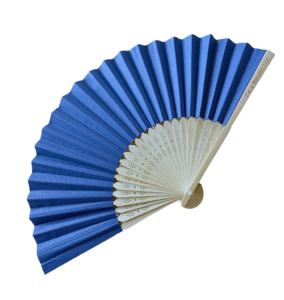
Why not grab one of our beautiful fans to keep cool elegantly.
References
- North American Menopause Society (NAMS). Vasomotor Symptoms and Menopause.
- Santoro N, et al. Mechanisms of Menopausal Hot Flashes. Endocrine Reviews.
- Freedman RR. Physiology of Hot Flashes. American Journal of Human Biology.
- National Institute on Aging. Menopause: Symptoms and Causes.
- Berendsen HHG. The Role of Estrogen in Thermoregulation. Maturitas.
Disclaimer: Our articles are guidelines only and shouldn’t be taken as medical advice. Any signs and symptoms you’re experiencing could be due to a number of reasons. If you’re experiencing ongoing signs, please see your health professional.
And just so you know: this blog is written by a real person who has studied the physiology of menopause and women’s healthy ageing. While we may use AI as an assistant, the research, insights and heart behind every piece comes from us.