Menopause Weight Gain: What Is Your Set Point?
If peri- or post-menopause weight gain has left you wondering what the heck happened to the body you thought you knew, you’re in very good company. Perhaps you’re eating much

If peri- or post-menopause weight gain has left you wondering what the heck happened to the body you thought you knew, you’re in very good company. Perhaps you’re eating much

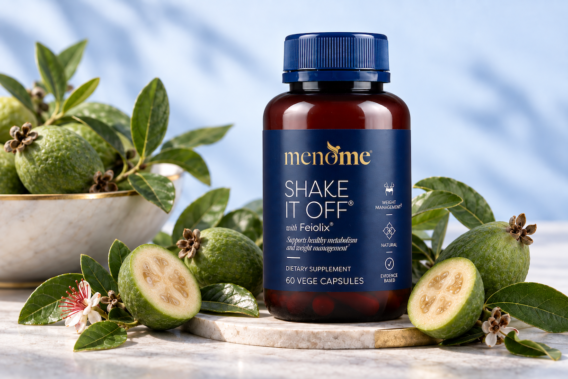
Heeeelllooo! 👋 Shake It Off® has evolved from the former 10-Day Reset into a comprehensive wellness system featuring Shake It Off® capsules alongside supporting lifestyle recommendations. You’re here, which means

NEAT is a term you will love. I encourage you to get to know it well; it could just be your BFF in your weight management journey. The term NEAT

Do you ever wonder, “Why am I gaining weight during menopause?” It can feel like menopause weight gain happens no matter how much you exercise or how little you eat.

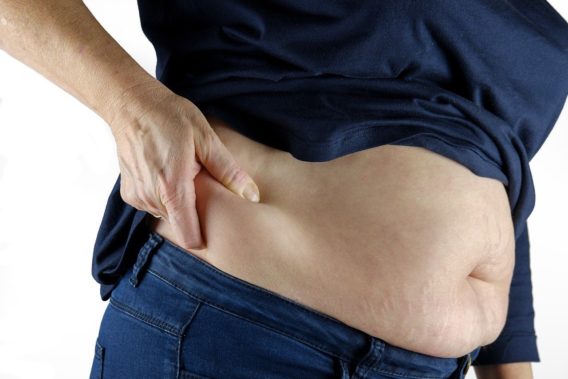
Struggling With Menopause Belly Fat? Here’s Help You’ve noticed the weight creeping around your middle – and no matter what you do, it won’t budge. Even your tried and true

Sleep can feel like the holy grail once you hit perimenopause. And if you don’t find ways to navigate the disruptions, sleep struggles can persist through menopause and even into post-menopause.

Menopausal weight gain often stems from hormone shifts – but not just the ones you’d expect. Estrogen and progesterone tend to steal the spotlight during perimenopause and post-menopause – and

It’s the time of year that’s famous for over-indulging and leaving us with a little bit of extra holiday weight. All the result of filling our belly and imbibing lots

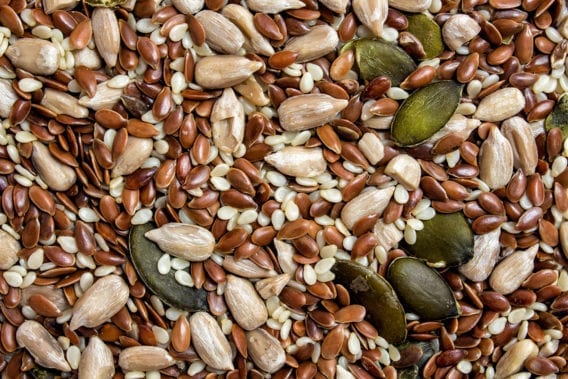
Seed cycling or seed rotation – have you heard of them? Indeed, seed cycling and its sister, seed rotation, are having a big moment in wellness circles lately. Why? Because

We’ve heard it time and time again menopausal weight gain is your greatest frustration. Especially around the middle. And even if you’re ‘not there yet’, now’s the time to get

Exercise less and eat more? Are you serious? Yes, we most definitely are. Indeed, we know that one of the biggest challenges for women entering perimenopause and moving through to

As we all know one of the huge frustrations of the ‘meno’ years is weight gain. To be clear, in this context, the ‘meno‘ years means perimenopause, menopause and post-menopause.

“I just have to look at food and I put on weight.” We hear this all the time! Indeed, we’ve learned that one of your biggest pain points on the

If you want to do everything you can to manage menopausal weight gain and stop your waistline from slowly expanding, exercise helps. But exercise during menopause isn’t just about your

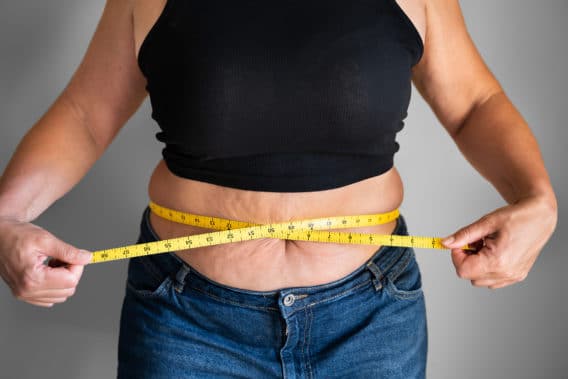
Our waistline often becomes a big deal during the meno years because it usually changes our shape as its measurements increase. Weight gain Indeed, one of the biggest challenges of

Why am I putting on weight? We hear that question frequently from many of you – I know the feeling, and it’s not a fun one. But let me be

10 Changes Sugar Can Cause In Your Body Fact: Sugar can instigate biological changes in your brain and your body. Sugar is a very powerful drug. So is white flour,

Menopause. Perimenopause. Midlife Hormone Dance. Whatever you want to call it, it seems there are more and more studies being conducted on menopause. And that’s a good thing because the

9 Ways Your Life Will Improve Without Sugar Sugar is a seductress and when you get free of her clutches your life will improve in a number of ways. Including

Sugar, Hormones & Weight Gain When it comes to your weight and your hormones sugar is not–so–sweet. Dealing with midlife weight gain takes many forms. Indeed, it’s something most of

Changes in metabolism cause weight gain as you age and contributes to menopausal weight gain. In why calorie restricted diets make you fat, I explained the power of the hormone

While I write this, I’m concerned about menopausal weight gain. Even though I’m 47 years old and have just completed my first half Ironman. And four months prior I did

Did you know that restricted calorie diets make you fat? That’s right your diet could be working in reverse. Indeed, restricted calorie diets don’t work. This is where you count

If you have read our previous blogs on menopausal weight gain you will have learned: Women’s fat cells are different to men’s (larger, more active and resistant to dieting). What’s
Finally, weight management support that gets menopause
Introducing
Shake It Off® capsules + the Shake It Off® System.
Special launch offer:
1-Month Bundle including: Shake It Off® + Happy Go Tummy® capsules & the Shake It Off® System.
Usually $169, now $126 (save $42)
Arriving August 1
This is the time when menstruation is well and truly over, the ovaries have stopped producing high levels of sex hormones and for many ladies, perimenopause symptoms subside.
Estrogen has protective qualities and the diminished levels mean organs such as your brain, heart and bones become more vulnerable. It’s also a key lubricant so your lips may become drier, your joints less supple and your vagina might be drier. In addition, your thyroid, digestion, insulin, cortisol and weight may alter.
At this juncture, a woman might experience an increase in the signs of reduced estrogen but she should have a decrease of perimenopause symptoms. That said, some women will experience symptoms like hot flushes for years or even the rest of their lives.
Peri = ‘near’
Most females begin to experience the symptoms of perimenopause in their mid-forties. Your progesterone levels decline from your mid-30s but it’s generally from around 40 that the rest of your sex hormones begin to follow suit.
Perimenopause is a different experience for every woman and some women may barely notice it. The first indicators are usually changes to the monthly cycle. This means that for some ladies, this can be accompanied by things like sore breasts, mood swings, weight gain around the belly, and fatigue as time goes on.
For those with symptoms it can be a challenging time physically, mentally and emotionally.
Importantly, perimenopause lasts – on average – four to 10 years. The transition is usually a gradual process and many women enter perimenopause without realising.