Free shipping on orders over $150

Jennifer Moore

Jennifer is a former magazine beauty and wellbeing editor, current wellness advocate and an Internationally Certified Holistic Health Coach. She's worked with Next, Notebook:, Women's Health, Fitness Life and more, and co-authored In The Pink: a guide to breasts, cancer and living well with naturopath Lani Lopez.Passionate about women's health especially in life after 40, Jenna is a firm believer in combining both ancient and modern wisdom along with nutrient from Mother Nature.She has experienced severe anxiety, muscle pain and hot flushes through perimenopause, but has managed to turn it around via some of the knowledge she shares. "Let's start the conversation and let the rest of the sisterhood know because together we're better," she says.

Sugar

Sugar & Menopause: Signs, Symptoms & What to Know

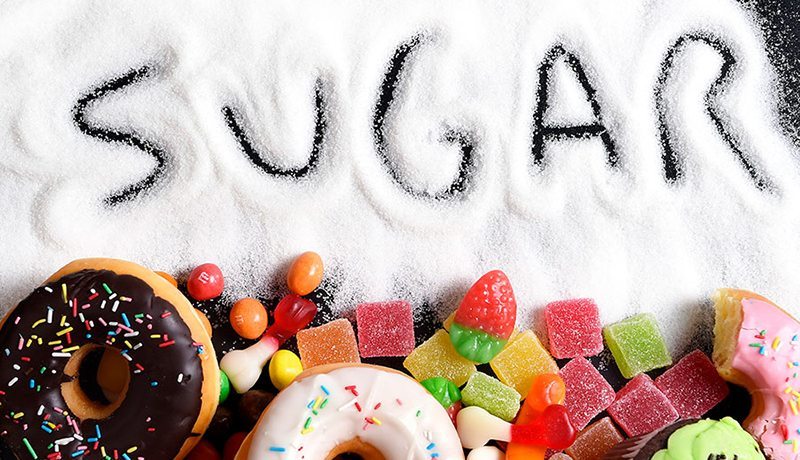
Sugar, Hormones & Weight Gain When it comes to your weight and your hormones sugar is not–so–sweet. Dealing with midlife weight gain takes many forms. Indeed, it’s something most of us battle with (find out the reasons why here). As you may have read I’m a fan of Intermittent Fasting but it’s not for everyone. And

Sugar & Menopause: Signs, Symptoms & What to Know Read More »

Scroll to Top

Your Post-Menopause Upgrade 

Buy Perky Post®, receive Happy Go Tummy® FREE💃

Buy 60s – use code: FREEHGT60 (Save $50)

Buy 120s – use code: FREEHGT120 (Save $87)

T&Cs: Not valid with other coupons, discounts, bundles, or subscriptions.

* Ends 11:59pm 31 May, 2026 NZT

Post-menopause


This is the time when menstruation is well and truly over, the ovaries have stopped producing high levels of sex hormones and for many ladies, perimenopause symptoms subside.

Estrogen has protective qualities and the diminished levels mean organs such as your brain, heart and bones become more vulnerable. It’s also a key lubricant so your lips may become drier, your joints less supple and your vagina might be drier. In addition, your thyroid, digestion, insulin, cortisol and weight may alter.

At this juncture, a woman might experience an increase in the signs of reduced estrogen but she should have a decrease of perimenopause symptoms. That said, some women will experience symptoms like hot flushes for years or even the rest of their lives.

Perimenopause

Peri = ‘near’

Most females begin to experience the symptoms of perimenopause in their mid-forties. Your progesterone levels decline from your mid-30s but it’s generally from around 40 that the rest of your sex hormones begin to follow suit. 

Perimenopause is a different experience for every woman and some women may barely notice it. The first indicators are usually changes to the monthly cycle. This means that for some ladies, this can be accompanied by things like sore breasts, mood swings, weight gain around the belly, and fatigue as time goes on.

For those with symptoms it can be a challenging time physically, mentally and emotionally.

Importantly, perimenopause lasts – on average – four to 10 years. The transition is usually a gradual process and many women enter perimenopause without realising.