
Published: September 2023
Last Updated: June 2026
What is vitamin D3?
Say hello to the sunshine vitamin!
Vitamin D3 is often called the sunshine vitamin, which feels good, doesn’t it? And that’s because our best source of D3 is via the sun.
However, newsflash! It’s not always possible to receive the best levels in this way, especially as we go through peri/menopause.
Vitamin D is a fat-soluble vitamin essential to bone health. In addition, it helps the body absorb calcium and supports immunity.
So it’s important particularly in peri and post-menopause. And if you’re worried you’re not getting enough, we’re here to help. But first, let’s cut to osteoporosis.
Vitamin D3 & osteoporosis
As we enter midlife, our bone health becomes very important. Crucial even.
If you’re a regular here, you know many different changes occur in our bodies during perimenopause and post-menopause, including loss of bone strength and muscle mass.
As a result, we have a higher risk of osteoporosis, a condition which can make our bones brittle.
Vitamin D3 is important to us because it’s well-known for supporting bone health. And this is exactly why we’ve included it in Perky Post®. We also added vitamin K2 as it supports vitamin D3 by increasing the uptake of calcium to the bone. But that’s not all. Vitamin D3 also plays a role in immunity, mood, sleep and joint health.
The sunshine vitamin
Sunlight is the body’s primary source of vitamin D3. Indeed, few foods serve up vitamin D3, and when they do, it’s often only in small amounts. But where it gets confusing is that there is both vitamin D2 and vitamin D3.
What’s the difference between vitamin D2 and D3?
The difference is simpler than it sounds. There are two forms of vitamin D known as D2 (erogcalciferol) and D3 (cholecalciferol). And the one we’re focused on is vitamin D3, as it’s believed to be more effective at keeping levels optimal.
If you’re confused, it’s not surprising, especially when you usually only hear the term vitamin D referred to.
Vitamin D2 usually comes from plant and fortified food sources, while vitamin D3 usually comes from animal sources such as fish oil and egg yolks. And vitamin D3 is the same form the body produces on sun exposure. However, as we grow older and our skin changes, we don’t synthesise it as well, which is why supplementation is key.
Throughout this article, when we’re referring to vitamin D, we’re primarily talking about D3.
What is vitamin D3?
Say hello to the sunshine vitamin!
Vitamin D3 is often called the sunshine vitamin because your body naturally produces it when your skin is exposed to sunlight.
However, it isn’t always easy to maintain healthy vitamin D levels, particularly as we grow olde.
This makes vitamin D especially important during peri- and post-menopause, when maintaining bone strength becomes a key part of healthy ageing.
Vitamin D is a fat-soluble vitamin essential to bone health. In addition, it helps the body absorb calcium and supports immunity.
So it’s important particularly in peri and post-menopause. And if you’re worried you’re not getting enough, we’re here to help. But first, let’s cut to osteoporosis.
Vitamin D3 & osteoporosis
As we enter midlife, our bone health becomes very important. Crucial even.
If you’re a regular here, you know many different changes occur in our bodies during perimenopause and post-menopause, including loss of bone strength and muscle mass.
As a result, we have a higher risk of osteoporosis, a condition which can make our bones brittle.
Vitamin D3 is important to us because it’s well-known for supporting bone health. And this is exactly why we’ve included it in Perky Post®. We also added vitamin K2 as it supports vitamin D3 by increasing the uptake of calcium to the bone. But that’s not all. Vitamin D3 also plays a role in immunity, mood, sleep and joint health.
The sunshine vitamin
It’s common knowledge that humans get their best levels of vitamin D3 from sunshine. Indeed, few foods serve up vitamin D3, and when they do, it’s often only in small amounts. But where it gets confusing is that there is both vitamin D2 and vitamin D3.
What’s the difference between vitamin D2 and D3?
We’re so glad you asked. There are two forms of vitamin D known as D2 (erogcalciferol) and D3 (cholecalciferol). And the one we’re focused on is vitamin D3, as it’s believed to be more effective at keeping levels optimal.
If you’re confused, it’s not surprising, especially when you usually only hear the term vitamin D referred to.
Vitamin D2 usually comes from plant and fortified food sources, while vitamin D3 usually comes from animal sources such as fish oil and egg yolks. And vitamin D3 is the same form the body produces on sun exposure. However, as we grow older and our skin changes, we don’t synthesise it as well, which is why supplementation is key.
So for this article, D3 what we’re referring to here.
Vitamin D deficiency has been called a global public concern. Indeed, the (sadly now closed) New Zealand Nutrition Foundation shared with us that concern about vitamin D deficiency has re-emerged:
“as a result of health messages to reduce sun exposure and encouragement to use ultraviolet (UV) sunscreens.”

Of course, this doesn’t mean the sunscreen message isn’t important. Too much sun exposure increases the risk of skin cancer and melanoma. However, spending less time outdoors can also reduce your body’s ability to produce vitamin D3. The goal isn’t avoiding the sun altogether. It’s finding a healthy balance.
Sunlight plays an important role in health and wellbeing, particularly as we age. Our bodies are designed to work best when they’re aligned with our natural circadian rhythm, which helps regulate sleep, energy, hormones and metabolism. Getting outside in natural daylight, especially early in the day, helps set your internal body clock and supports a healthier daily rhythm.
Bottom line: if you don’t get enough Vitamin D you can develop bone weakness, bone and joint pain and an increased risk of fracture.
Could you be vitamin D deficient?
The Australian Department of Health say vitamin D is essential for skeletal health as it regulates calcium and phosphate metabolism. However, the Australian Health Survey 2011-12 (ABS 2014b) found over 30% of Australian adults have mild, moderate or severe deficiency.
Differences were seen across geographical areas, with vitamin D levels lower in major cities than in other parts.
In New Zealand, the Ministry of Health tells us that approximately 5% of adult Kiwis are deficient in vitamin D and 27% more have below the recommended blood level (Adult Nutrition Survey 2008/2009).
And all around the world there are varying statistics. Ideally, we need about thirty minutes of vitamin D (without sunscreen) for vitamin D synthesis. And that’s on the face, legs or back at least twice a week.
If you feel you need a vitamin D test, ask your GP for a referral. Unfortunately, in New Zealand this isn’t funded.
Vitamin D: More than just a vitamin
Vitamin D is essential because it supports the absorption of calcium in our body. This helps both bone health and muscle function. What’s more, it’s unique because it’s actually a hormone and can work with other hormones to increase our calcium levels.
Vitamin D3
The recommended form of vitamin D is vitamin D3 (cholecalciferol), the same form your body naturally produces when your skin is exposed to sunlight.
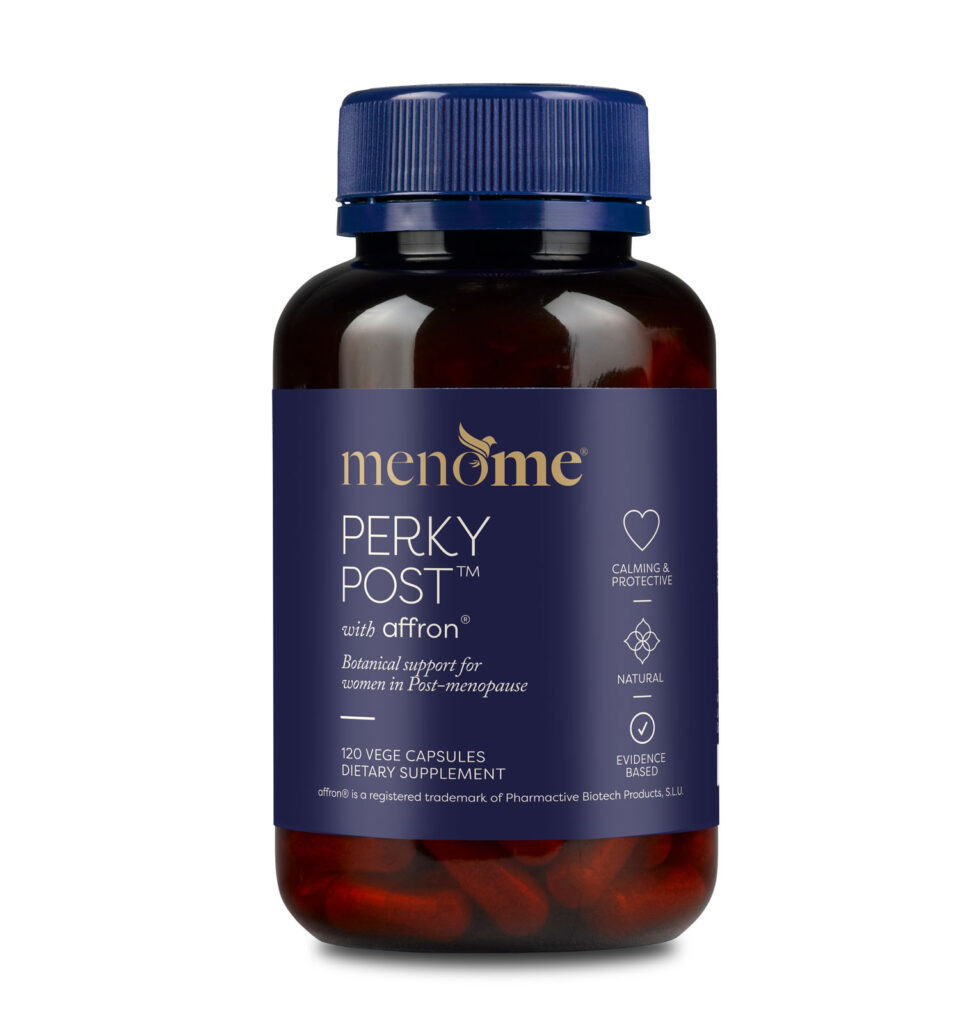
We use a vegan source of vitamin D3 in Perky Post®.

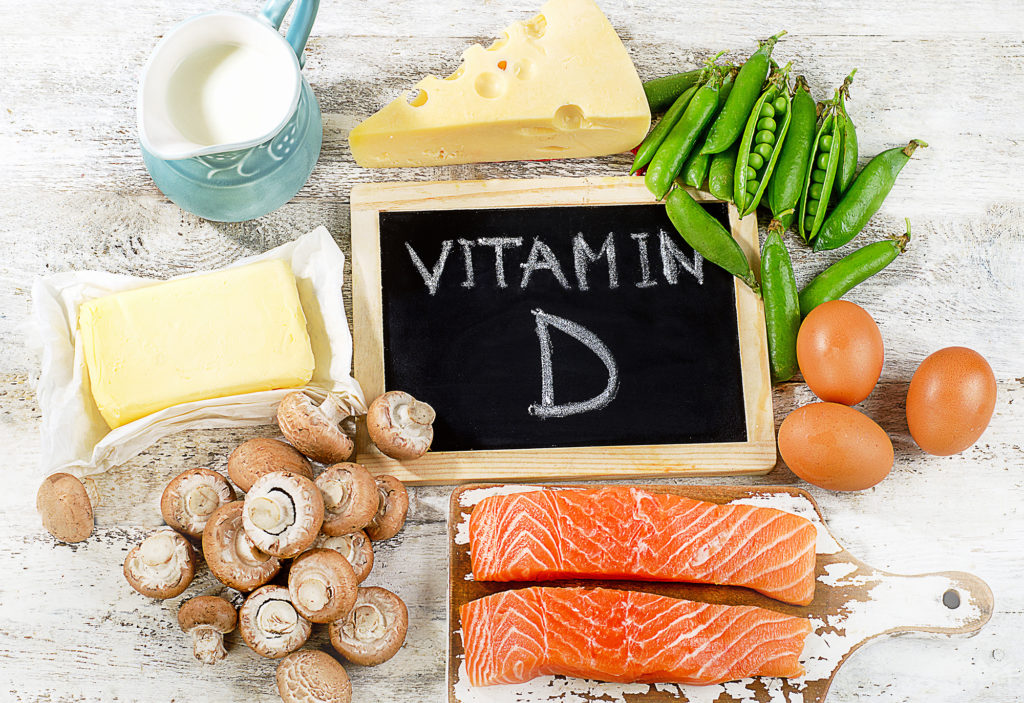
Foods sources of vitamin D:
- oily fish such as salmon, tuna and sardines
- mushrooms grown in the sunshine
- whole or non-fat milk and milk products
- egg yolks
- cheese
- liver
Foods fortified with vitamin D:
- margarine and similar spreads
- some reduced-fat dairy products (milk, dried milk and yoghurt)
- plant-based dairy substitutes (soy drinks)
- liquid meal replacements.
In response to concerns about vitamin D deficiency, Australia requires vitamin D to be added to certain edible oil spreads, including margarine. Under the Australia New Zealand Food Standards Code, Standard 2.4.2 (Edible Oil Spreads), table edible oil spreads sold in Australia must contain added vitamin D.
Source:
Risk factors for deficiency
Certain factors can make it harder for your body to produce or maintain healthy vitamin D levels.
You may be at greater risk of vitamin D deficiency if you:
- Have naturally very dark skin, including African, Indian subcontinent or Middle Eastern ancestry.
- If your skin is not regularly exposed to sunlight. This can happen if you avoid the sun because of a high risk of skin cancer, take certain medications that make your skin more sensitive to sunlight, regularly wear clothing that covers most of your skin, or spend very little time outdoors.
- If you live in the South Island of New Zealand, particularly south of the Nelson-Marlborough region, and spend little time outdoors between May and August, your risk of vitamin D deficiency may be higher.
- People with liver or kidney disease may also be at increased risk, as can those taking certain medications that affect vitamin D levels.
How much vitamin D do you need?
Vitamin D requirements vary depending on your age, health status and individual circumstances. Many health authorities recommend a daily intake of around 600 IU (15 mcg) for adults up to age 70 and 800 IU (20 mcg) for adults over 70.
For many people, particularly during winter or when sun exposure is limited, a quality vitamin D3 supplement can help support healthy vitamin D levels.
Perky Post® contains vegan vitamin D3 alongside nutrients carefully selected to support wellbeing during midlife and beyond.
The Medical Journal of Australia Vitamin D and health in adults in Australia and New Zealand: a position statement.
Feel you need some vitamin D? Get your Perky Post™ now. Click here.
We’ve drawn on information from trusted Australian and New Zealand health organisations and publications, including: