
The Wisdom of Menopause
Recently, I was sitting having a coffee while I waited for my car to get serviced. So I opened a book that’s been on my bedside table waiting to be

Recently, I was sitting having a coffee while I waited for my car to get serviced. So I opened a book that’s been on my bedside table waiting to be

When we published 3 Signs That Point To You Being In Perimenopause, so many people read it we realised you’re starved of information. We get it. We totally do, and

Have you heard of the sandwich generation? It’s us, lady. We are the sandwich generation. Well, a lot of us anyway. 40 To 60-Year-Olds The ‘sandwich generation’ refers to those

Let’s talk. I’m serious, this is a call out to all of you wonderful meno women. It’s time to open up and start talking about menopause. The Studies Back It Up

A new study tells us that women feel less stress as they grow older. Isn’t that good news? Hallelujah! Sayonara stress. 👋 We won’t miss you. That may sound a little bit

Pregnancy at work I’ve gone through both pregnancy and menopause at work and I can’t help but reflect on the differences between the two experiences. Apart from the fleeting shadow

I know you probably don’t want to talk about incontinence. In fact, it’s possibly the last thing you want to talk about – but during menopause it really can be
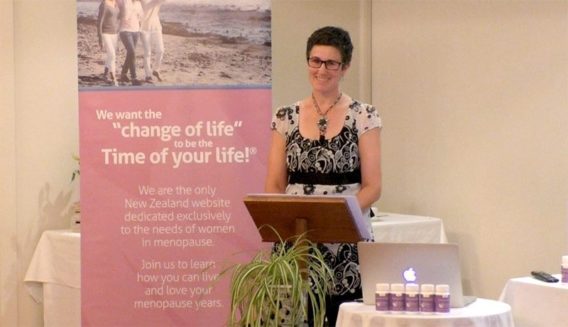
One of our goals at MenoMe® is to encourage women to talk more about menopause. And by talking I don’t mean the usual jokes or a quick mention about hot flushes.

When talking about the gift of menopause among friends and family I have heard some women say “I never went through menopause”. This is like saying “I never went through

Reframing menopause. It can be difficult to view menopause as a positive time when it’s such a negative sounding word. Somehow, the “pause” part suggests an end to something great.