How Will Post-Menopause Change My Life?
How will post-menopause change your life? We’re so glad you asked. Because post-menopause leads to several physiological changes, and there are some health factors it’s smart to be mindful of.

How will post-menopause change your life? We’re so glad you asked. Because post-menopause leads to several physiological changes, and there are some health factors it’s smart to be mindful of.

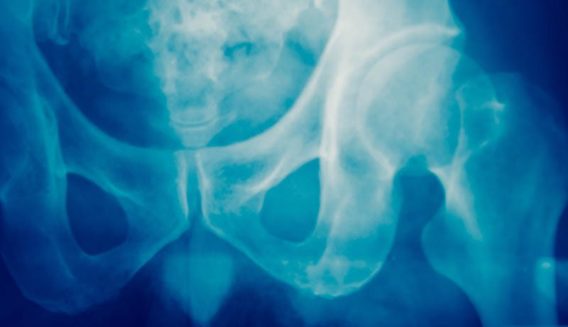
Today we’re going to talk about bones. And more specifically osteoporosis, because it’s something we all need to know about. Especially if we’re in pre-, peri- or post-menopause. If there’s
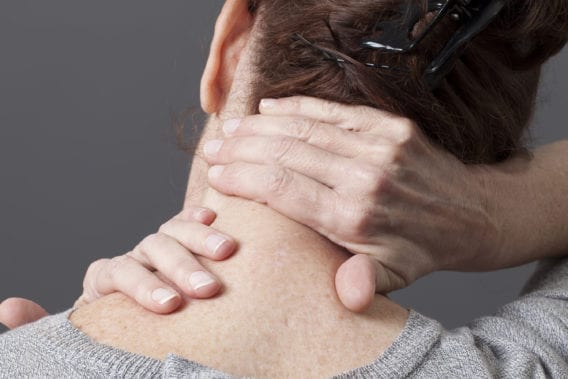
Pain during menopause is one of the most unrecognised signs of the meno years. But, the good news is it’s now been identified as menopause musculoskeletal syndrome. Now that’s what

The conversation around menopause just got even more impactful with the emergence of the Musculoskeletal Syndrome of Menopause. Hallelujah! We needed this. Indeed, recent research is spotlighting a frequently overlooked
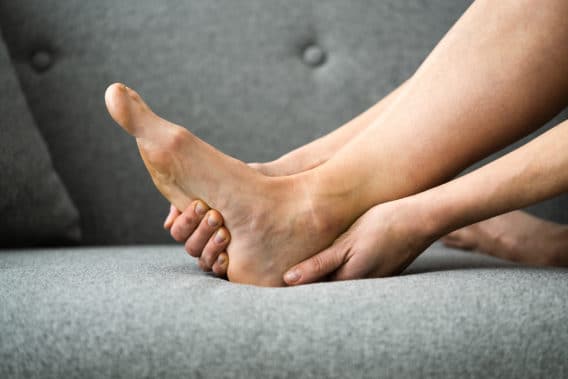
Menopausal joint pain is one of the common issues women face as they move through midlife. Some have even used the term ‘menopause arthritis’ to describe this sign because it
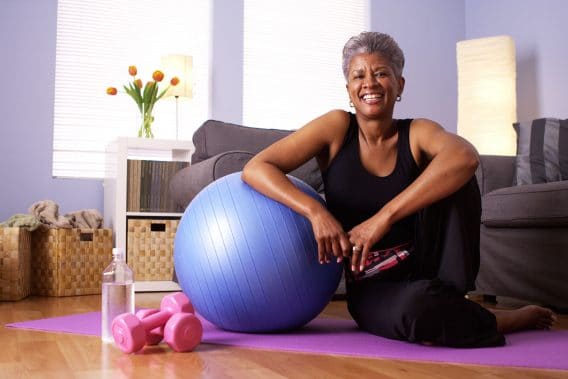
Strength training. You’ve probably heard lots of advice about the benefits for women in midlife and it’s for good reason. Prevention is always better than cure, particularly in peri- and
Your Post-Menopause Upgrade
Buy Perky Post®, receive Happy Go Tummy® FREE
Buy 60s – use code: FREEHGT60 (Save $50)
Buy 120s – use code: FREEHGT120 (Save $87)
T&Cs: Not valid with other coupons, discounts, bundles, or subscriptions.
* Ends 11:59pm 31 May, 2026 NZT
This is the time when menstruation is well and truly over, the ovaries have stopped producing high levels of sex hormones and for many ladies, perimenopause symptoms subside.
Estrogen has protective qualities and the diminished levels mean organs such as your brain, heart and bones become more vulnerable. It’s also a key lubricant so your lips may become drier, your joints less supple and your vagina might be drier. In addition, your thyroid, digestion, insulin, cortisol and weight may alter.
At this juncture, a woman might experience an increase in the signs of reduced estrogen but she should have a decrease of perimenopause symptoms. That said, some women will experience symptoms like hot flushes for years or even the rest of their lives.
Peri = ‘near’
Most females begin to experience the symptoms of perimenopause in their mid-forties. Your progesterone levels decline from your mid-30s but it’s generally from around 40 that the rest of your sex hormones begin to follow suit.
Perimenopause is a different experience for every woman and some women may barely notice it. The first indicators are usually changes to the monthly cycle. This means that for some ladies, this can be accompanied by things like sore breasts, mood swings, weight gain around the belly, and fatigue as time goes on.
For those with symptoms it can be a challenging time physically, mentally and emotionally.
Importantly, perimenopause lasts – on average – four to 10 years. The transition is usually a gradual process and many women enter perimenopause without realising.