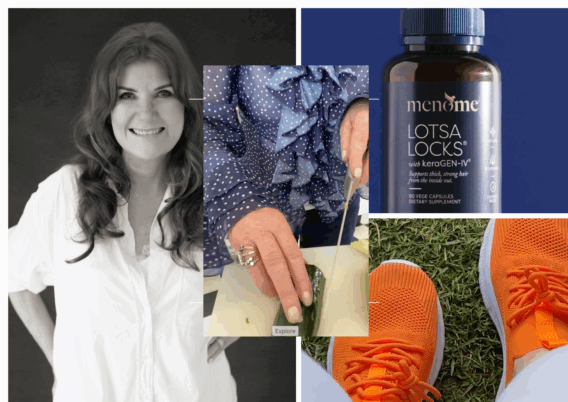
Get To Know the Women of MenoMe®: Jenna’s Quirks + Must-Haves
In this second issue of the Get to Know the Women of MenoMe® series, we introduce you to Jenna. If you don’t already know her, that is. Think of this series

In this second issue of the Get to Know the Women of MenoMe® series, we introduce you to Jenna. If you don’t already know her, that is. Think of this series
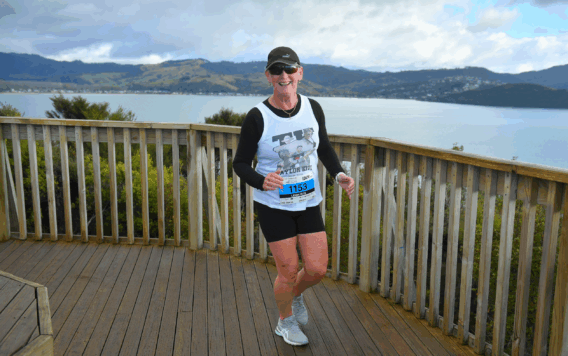
Welcome to the Get to Know the Women of MenoMe® series. We’ll introduce you to one of the women behind the business each month. Think of it as your backstage pass
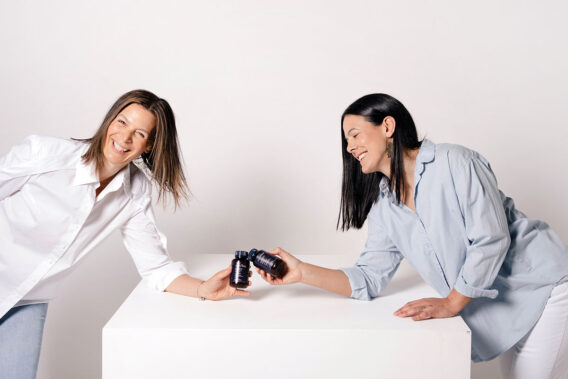
The Untold Story of MenoMe® – a Menopause Brand Built by Women, for Women From near-closure to renewed purpose, discover the raw, real story behind MenoMe® – by women, for
At MenoMe® it’s our mission to help support every woman to have her best menopause. This is because the business emerged from our own experiences and we’re women too so

Hi, I’m Jenna from Team MenoMe®. This is my personal story of having no idea what perimenopause was until it hit me like a truck. And then how I navigated
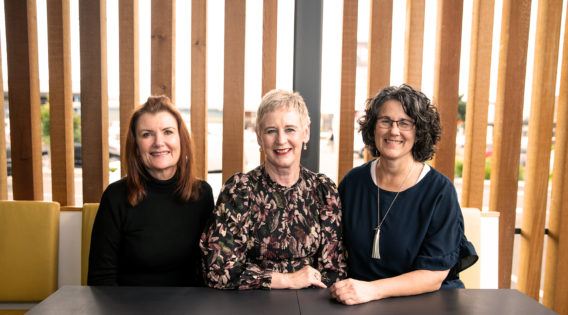
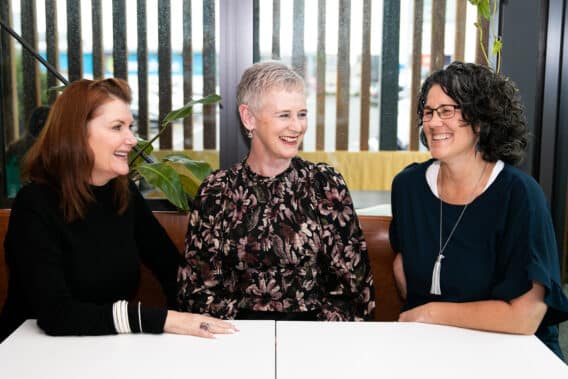
Who is MenoMe®? MenoMe®’s a small business based in New Zealand run by women for women. Team MenoMe® There are a core of three of us working with you and
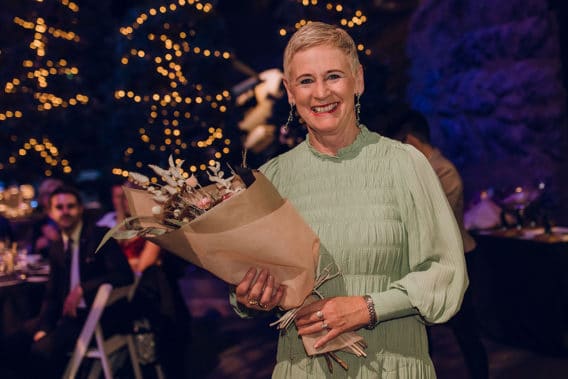
Leigh Kite is the MD (Managing Director) of Team MenoMe® She reflects on her perimenopause journey in this personal account. Now that I’m post-menopause, I look back at my younger

20% off bundles + FREE Damn Right I’m Lippy lip balm*
(Bundles qualify for free shipping over $150NZD)
* Offer excludes bundle subscriptions and ends 11:59pm Wednesday 25th March NZT