
Fatty liver & menopause?
Turns out, meno belly isn’t just about your jeans
For years, menopause conversations have focused on hot flushes, sleep, weight gain and mood (if they happened at all). Meanwhile, another magnificent organ has been getting on with things in the background: your incredible liver.
And it gets on with a lot.
The liver has hundreds of jobs, from processing fats and cholesterol to storing energy and helping detoxify and clear any excess hormones. That’s quite the CV for an organ most of us barely think about. Until we have to.
As estrogen declines with menopause, the way your body stores fat, regulates blood sugar, processes cholesterol and manages inflammation begins to change. Unfortunately, these shifts can also increase the risk of fatty liver disease.
And most women have no idea it’s happening.
Fatty liver disease affects over 30% of women globally, with menopause being a key driver.
What is fatty liver disease?
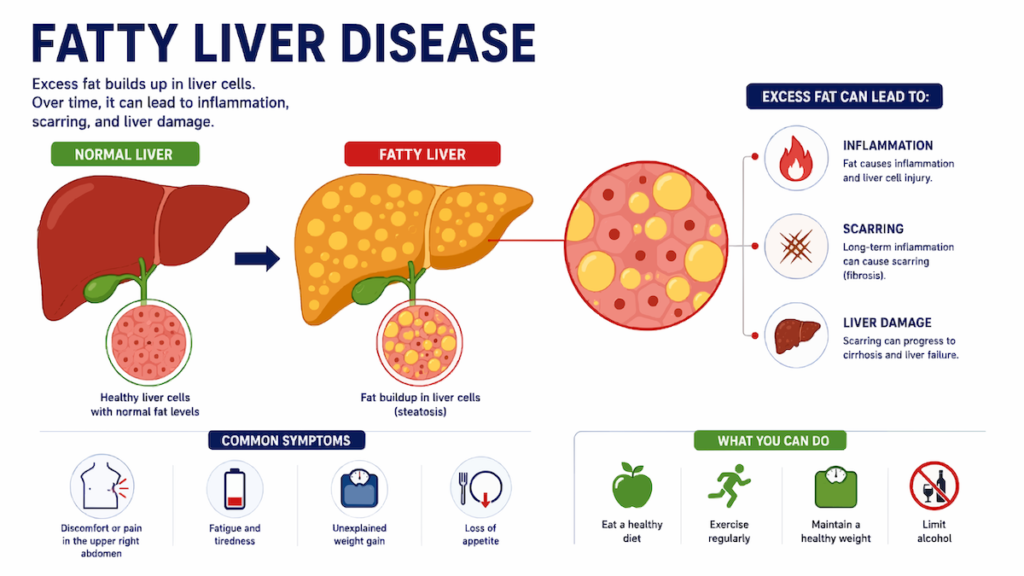
Fatty liver disease is exactly what it sounds like: excess fat building up inside the liver.
Non-alcoholic fatty liver disease, or NAFLD, is now more commonly called metabolic dysfunction-associated steatotic liver disease, or MASLD.
It’s a mouthful, isn’t it? Thankfully, we won’t be testing you later – it’s why we tend to keep it simple for you and refer to fatty liver disease.
Despite its former name, alcohol isn’t the main driver. MASLD is more closely connected to metabolic health, including:
- Insulin resistance
- Weight gain around the abdomen
- High cholesterol or triglycerides
- Type 2 diabetes or prediabetes
- Poor sleep
- Chronic stress
- Low physical activity
- Ultra-processed food
Over time, fat accumulation can lead to inflammation and liver scarring.
How common is fatty liver disease?
Very.
In fact, MASLD is now considered the most common chronic liver disease worldwide. Recent global research estimates that around 30% of adults are living with it.
Rates are also climbing alongside obesity, insulin resistance and metabolic syndrome.
What causes a fatty liver?
There isn’t always one culprit. Several things can play a part, including:
- Genetics
- Obesity
- Diabetes
- Rapid weight loss
- Some medications
- High blood lipids
- Metabolic syndrome
Metabolic syndrome is a cluster of conditions that can include abdominal fat, high blood pressure, high cholesterol or triglycerides, raised blood sugar and insulin resistance.
In other words, many of the metabolic changes women begin noticing around menopause are part of the same conversation.
Menopause changes the picture
Before menopause, women tend to have lower rates of fatty liver disease than men.
After menopause, some of that protection lessens.
Research shows that fatty liver disease becomes significantly more common after menopause. Post-menopausal women may also have a higher risk of liver inflammation and fibrosis, or scarring.
One 2024 review found that NAFLD affects up to 30% of the adult female population globally, with menopause, insulin resistance and increased abdominal fat among the key drivers.
Why does menopause affect the liver?
Estrogen does far more than regulate periods and help to keep your skin plump. Honestly? It’s been doing a lot behind the scenes without getting much acknowledgement for years.
It also influences:
- Fat distribution
- Insulin sensitivity
- Cholesterol metabolism
- Inflammation
- Liver fat storage
All hugely important and a key part of feeling good in your skin and your clothes.
But as estrogen declines, the body becomes more predisposed to storing fat around the abdomen and inside the organs, including the liver.
This helps explain why some women begin noticing:
- Weight gain around the middle
- Rising cholesterol
- Increased bloating
- Lower energy
- Blood sugar changes
- Difficulty losing weight despite “doing everything right”
Not exactly good news for most of us.
The liver changes with age too
Menopause isn’t the only reason, though. Growing older is part of it too.
In post-menopause, the liver can decrease by up to 40% in volume.
Research suggests liver volume and blood flow gradually reduce with age. Bile production – a key part of liver activity – declines too, affecting how the body processes fats and metabolises medications.
This becomes especially relevant when combined with:
- A higher saturated-fat intake
- Increased alcohol intake
- A sedentary lifestyle
- Metabolic syndrome
- Oral hormone therapy

What supports liver health during menopause?
Here’s the good news: fatty liver disease usually responds fairly rapidly to lifestyle changes.
Follow a Mediterranean-style eating pattern
Think:
- Extra virgin olive oil
- Oily fish
- Fibre-rich vegetables
- Beans and legumes
- Nuts and seeds
- Whole foods rather than ultra-processed foods
Nothing too outlandish or hard to get your head around.
Eat more foods that support liver health
Smart choices include:
- Alliums such as garlic, onions and leeks
- Apples
- Cruciferous vegetables
- Leafy greens
- Berries
- Citrus fruit
- Tomatoes
- Fibre-rich foods
- Extra virgin olive oil
- Plenty of water
Reduce excess saturated fat and refined sugar
A reduction in sugary drinks and heavily processed snack foods is a sensible place to start.
Improve insulin sensitivity
Walking after meals, resistance training, good sleep and reducing chronic stress can all support insulin sensitivity.
Move regularly
Exercise can help reduce liver fat even before weight loss starts. That makes every walk, stretch and strength session super important -not merely the ones that leave you looking as though you’ve fought for your life.
Increase fibre
Fibre supports gut health, blood sugar regulation and metabolic health. All of these affect how well the liver does its job.
Include omega-3 fats
Omega-3 intake has shown benefits for liver fat and triglycerides in some studies. Oily fish, walnuts, chia seeds and flaxseeds are useful sources.
When should you chat with your GP?
Fatty liver disease can develop silently, so it’s worth discussing your risk with your doctor if you have any of these common peri or post-menopause changes:
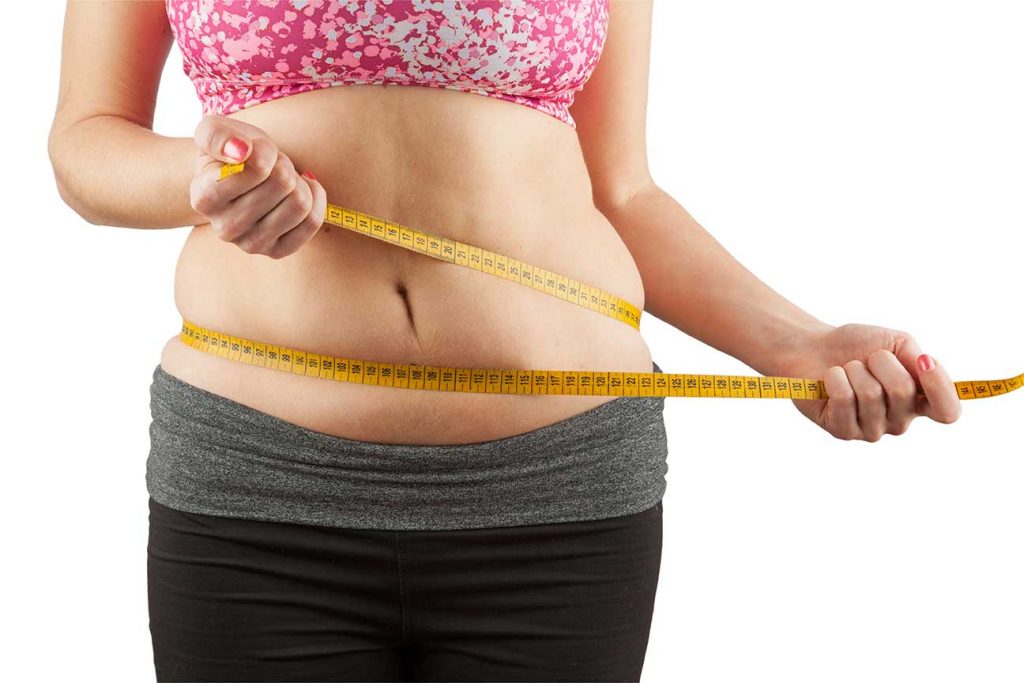
- Increasing abdominal weight gain
- Elevated cholesterol or triglycerides
- Prediabetes or insulin resistance
- Persistent bloating
- Unexplained fatigue
- Sleep disruption
- High blood pressure
- A family history of metabolic disease
Blood tests and liver imaging can help your doctor figure out where you’re at.
The bigger picture
If you didn’t realise it before, menopause isn’t only a hormone story. It’s also a metabolic one – and your liver is sitting right in the middle of it.
Understanding the connection gives you another piece of the puzzle. Not for panic. Just perspective because all knowledge on this perimenopause and post-menopause journey is power.
And it’s another reason meno belly isn’t only about whether your jeans do up.
And if you’re a regular reader here, you know that one of our focuses is helping you improve your metabolic health, beat meno belly and feel good in your skin (and jeans) again.
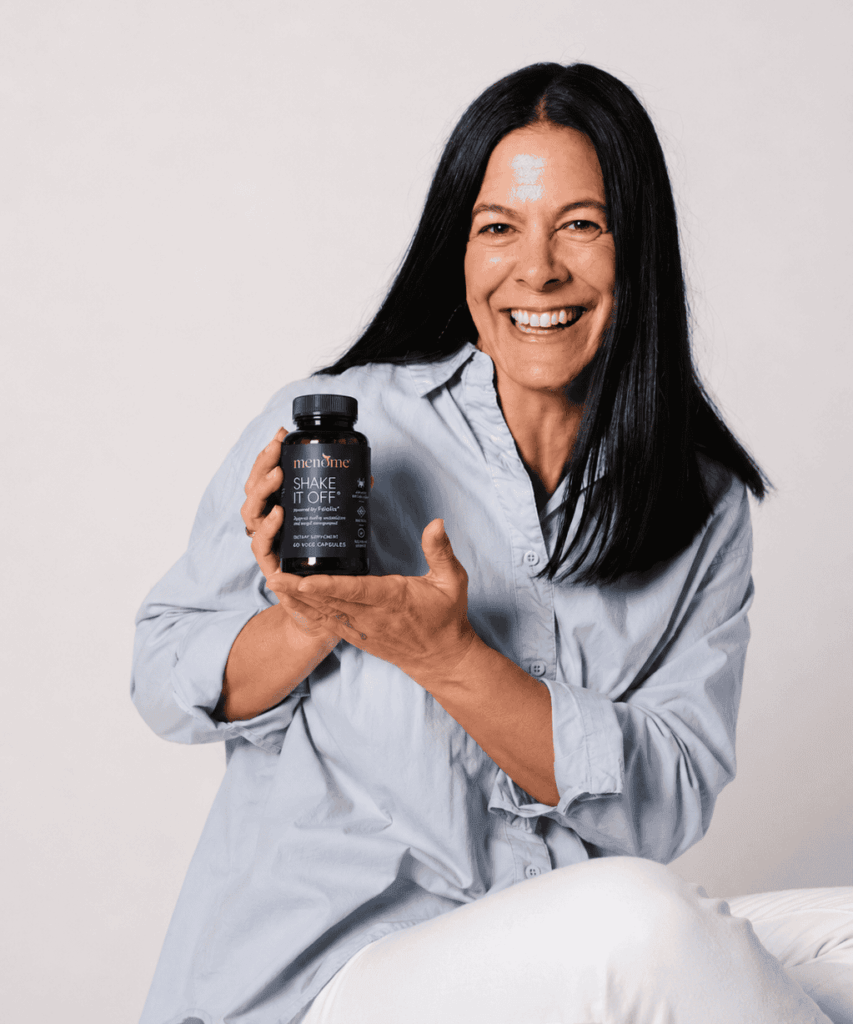
In fact, that’s why we developed Shake It Off®,
It’s a complete system including Shake It Off® capsules and an entire Shake It Off® program and metabolic library to help support you in shaking up your metabolic health and shaking off belly fat.
Just so you know: this article is written by Jenna Moore, a real person who has studied the physiology of menopause and women’s healthy ageing.
I sometimes use AI as an assistant. It can pass me the pencils and help organise the research, but it never does the research or gets the final word. You also won’t find its favourite words repeated throughout – such as “actually”, “genuinely”, “quietly”.
AI will never take the place of expertise, lived experience or authentic writing.
References
Brady, C. W. (2015). Liver disease in menopause here
Armeni et al. (2024). Menopause symptoms and fatty liver disease association.
Watanabe et al. (2015). Menopause and NAFLD prevalence.
Global prevalence studies on NAFLD/MASLD (2024).
Original mentor/source material supplied by the author.