

7 Unexpected Ways My Life Has Changed After 50 (blessings and unknowns)
Turning 50 heralds the beginning of a new life stage for women. Indeed, it’s the point when our fertile years come to an end, and we move on to the next phase. And it’s also a time when we experience
Menopause and Gut Health | Their Robust Pairing Is Vital For Your Midlife Journey
Lots and lots of women experience changes with menopause and gut health starting with perimenopause. As a result, bloating, food sensitivities/intolerances, constipation, diarrhoea or reflux/heartburn (GERD) can raise their heads. And oftentimes you don’t link your gut health with perimenopause,
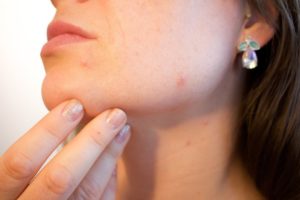
Adult Acne: Why It’s Happening and How to Clear It Fast
Acne again? I hear your frustration! Hormonal breakouts in midlife aren’t just annoying – they’re real, and more common than you think.

Vaginal Dryness – Let’s Talk About It (Shhh!)
Vaginal dryness. It’s not something you want to talk about. It’s a little bit like incontinence, it’s a not-something-we-talk-about thing. But, it’s OK, you can read about it in private and at your leisure here. Vaginal dryness is one of

Post-Menopause: 8 Powerful Ways To Thrive
Post-menopause is often framed as an ending. The finish line after a long and frequently exhausting race. But ask women who are living it well, and a different picture emerges — one of clarity, focus, and a genuine shift in
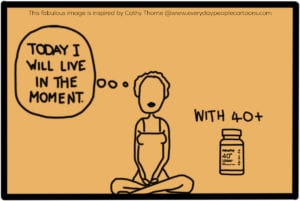
Mindfulness Can Ease Menopause Symptoms, Science Says
Mindfulness. Have you noticed it’s a bit of a buzzword at the moment, right up there with meditation and ommmm-ing? While I have to confess to being a bit of a holistic, spiritual dabbler, I actually had to look up

How To Take Merry Peri® and Perky Post® For Best Results
Are you wondering how best to use Merry Peri® and Perky Post®? Well, stand by and let’s address a few of your most common questions. Should I choose Merry Peri® or Perky Post®? That’s a great question and we’re so glad
Sore Breasts During Peri or Post-Menopause? This Could Be Why
Do you have tender, sore, painful and/or lumpy breasts? Chances are, if you’re in perimenopause you could be experiencing something like this. It’s a very common sign so know you’re not alone. What do sore breasts feel like? Although similar

5 Things You Can Do If A Panic Attack Strikes
A panic attack. If you’ve never had one count yourself lucky, but bear in mind that no one is immune. We’ve been travelling through trying times with a pandemic and cost of living crisis so if you were ever going
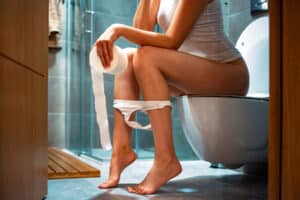
Menopause Constipation: 6 Simple Ways to Improve Your Poop | MenoMe® 💩
Are you experiencing constipation or sluggish poop? Let’s talk about something most people avoid talking about: constipation. It’s common in midlife and menopause, but that doesn’t mean you have to put up with it. If you’re feeling bloated, uncomfortable, sluggish,

Why Exercising Less and Eating More Can Help Manage Menopause Weight
Exercise less and eat more? Are you serious? Yes, we most definitely are. Indeed, we know that one of the biggest challenges for women entering perimenopause and moving through to post-menopause is weight gain. It’s a common complaint and the

Vaginal Dryness & Loss of Libido? Here Are Some Natural Ways To Support Yourself
One of the more frequent questions we get is centred around libido and, by association, vaginal dryness. But relationship woes and/or a sore va-jay-jay aren’t something we desire, are they? However, in many cases, the two go hand-in-hand. (Oh dear!)